
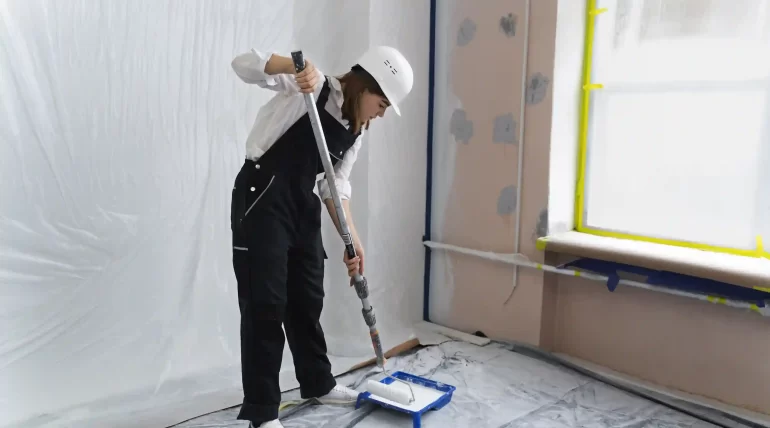
A fresh coat of paint can change the entire mood of a home. The right colour brings a room to life, sharpens its features and makes everyday spaces feel thoughtfully designed. Yet, even an expensive shade can look ordinary when the painter rushes the preparation or leaves rough edges behind.
I always look beyond the colour when judging a great paint job. The real difference comes from the details you notice when the light hits a wall, the edges meet the ceiling and the finish holds up to everyday life. That’s what separates a quick makeover from a result that genuinely lifts your home.
When you want a finish that looks sharp and lasts, choosing Top Rated House Painters gives you a starting point for understanding the quality, care and attention your property deserves. From careful surface preparation to the final inspection, every stage shapes the outcome.
1. Excellent Surface Preparation Makes All the Difference
Here’s a little secret about professional painting: most of the hard work happens before the brush touches the wall. Paint can only look as good as the surface underneath it, so I consider preparation one of the biggest signs of a quality painter.
Walls often hide small imperfections that become painfully obvious after a fresh coat. Hairline cracks, dents, peeling paint, nail holes and uneven patches can catch the light and spoil an otherwise beautiful finish.
A skilled painter takes time to inspect each surface, remove loose paint, fill minor imperfections and sand repairs until they blend into the surrounding area. They also clean away dust, grease and other residue that could affect adhesion.
Sydney homes can present different preparation challenges. Coastal properties may face salt exposure and moisture, while older homes can have layers of ageing paint or damaged plaster. Each surface needs the right treatment rather than a one-size-fits-all approach.
What I look for: Smooth walls, clean surfaces, properly repaired damage and suitable primers before the topcoat goes on.
2. Smooth, Even Coverage Without Patchy Areas
Have you ever looked at a freshly painted wall and noticed lighter patches near the window? That uneven appearance can take the shine off an entire room.
Professional house painters aim for consistent colour, sheen and coverage across the surface. They select suitable paint, use the right application method and follow the manufacturer’s instructions for drying and recoating.
The number of coats depends on the existing colour, the new shade, the surface condition and the paint product. A dramatic change from deep navy to warm white, for example, may need more attention than refreshing a similar shade.
I also pay attention to how the painter works across the wall. Consistent application helps avoid obvious roller marks, heavy paint build-up and differences in texture. Good lighting during the final inspection makes these issues easier to spot.
A quality finish doesn’t necessarily mean every wall looks perfectly identical under every lighting condition. Different angles, natural light and paint sheen can change how a colour appears. However, obvious lap marks, missed sections and uneven coverage should never pass as acceptable workmanship.
3. Crisp Edges and Clean Lines
The difference between an average paint job and a polished one often comes down to a few millimetres.
Look at the junction between the wall and ceiling, the edges around a window or the line where two colours meet. Clean, consistent edges give a room a refined appearance without demanding attention.
Careful painters protect floors, fittings and adjoining surfaces before starting. They use suitable masking methods where needed and take their time around skirting boards, door frames, window trims and switches.
This attention to detail matters even more in contemporary Sydney homes, where minimalist interiors, contrasting colours and simple architectural lines leave little room for sloppy work.
For example, a charcoal feature wall can look striking beside crisp white trim. However, a wobbly edge or a few stray brush marks can make the entire design feel unfinished.
My tip: Inspect corners and trim from different angles. Look for paint splashes, ragged lines and inconsistent coverage rather than judging the room from the doorway alone.
4. The Right Paint for Each Surface
Not every wall, ceiling or timber surface needs the same paint. A professional understands that product selection affects the appearance, cleaning requirements and long-term performance of the finish.
For example, a low-sheen or matt finish can help reduce the appearance of minor wall imperfections. A washable, more durable finish may suit busy family areas, while suitable semi-gloss products can work well on selected trims and doors.
Kitchens, bathrooms and laundries also need extra consideration because moisture, condensation and frequent cleaning can affect paint performance. The painter should assess the conditions and choose a compatible product designed for that environment.
Exterior painting brings another set of challenges. Sun exposure, rain, temperature changes and moisture can all influence how a coating performs. I would rather see a painter recommend a suitable exterior system than choose a product based purely on its colour or price.
A knowledgeable painter should explain why a particular product suits your home, how many coats the job needs and what preparation the manufacturer recommends.
5. Colour Choices That Complement Your Home
Great workmanship deserves a colour scheme that makes sense for the space. Even a flawless finish can feel underwhelming when the colours clash with the flooring, furniture or natural light.
Sydney interiors range from bright coastal homes to character terraces and sleek contemporary apartments. Each style offers different opportunities for colour.
Warm whites and soft neutrals can create a relaxed, inviting backdrop. Muted greens and earthy tones bring a natural feel, while deeper blues or charcoal shades can add contrast to a feature wall or selected architectural details.
Before committing to a colour, I recommend testing sample patches on different walls. Observe them in the morning, afternoon and evening because sunlight and artificial lighting can change the way a shade looks.
Think about the whole room rather than choosing a colour in isolation. Timber flooring, stone benchtops, curtains and furniture all influence the final result.
A good painter can help you understand the practical side of the decision, but you should also consider your own taste and how you want the space to feel.
6. A Durable Exterior Finish That Handles Sydney Weather
Exterior painting needs more than good looks. Your home’s outside surfaces face changing weather throughout the year, so the right preparation and coating help protect them while keeping the property looking fresh.
Sydney’s conditions vary between suburbs. Homes near the coast may experience salt exposure, while properties with limited sunlight can struggle with damp surfaces and mould growth. Direct sun can also affect paint colour and coating performance over time.
I would expect a professional painter to inspect the existing coating, check for peeling or moisture damage and identify any repairs before applying exterior paint. Timber, masonry, render and metal surfaces may each need a different preparation method and compatible coating.
It’s also important to investigate the cause of peeling paint rather than simply covering it up. Persistent moisture, poor adhesion and damaged surfaces can undermine a new finish if the underlying problem remains.
For older homes, safety matters just as much as appearance. Before disturbing old paint, check whether it could contain lead and follow the relevant Australian Government guidance on lead paint. Never assume an old coating is safe to sand or scrape without checking first.
7. Professional Workmanship Includes Protecting Your Home
A beautiful wall doesn’t tell the whole story. I also look at how carefully the painter treats the rest of the property.
Professional house painters should protect flooring, furniture, benchtops, windows and nearby fittings before work begins. They should keep tools organised, manage paint spills promptly and maintain a reasonably tidy work area.
This becomes particularly important when you’re living in the house during the project. You don’t want paint dust drifting into the kitchen or every trip to the bathroom turning into an obstacle course.
Good communication matters, too. Your painter should explain which rooms they’ll tackle first, when you can use each space and whether you need to move furniture or make other preparations.
Before the team packs up, I recommend checking that they have removed masking materials, cleaned up splashes and collected their equipment. A professional finish should include a clean handover, not a new list of jobs for you to complete.
8. The Final Inspection Separates Good Work from Great Work
The final walkthrough gives you a chance to assess the result before the project wraps up. Rather than checking only whether the walls look brighter, inspect the details that influence the overall finish.
| What to inspect | Signs of quality workmanship |
| Walls and ceilings | Even coverage with no obvious missed patches |
| Corners and edges | Straight lines and neat transitions |
| Doors and trims | Smooth application without unwanted drips |
| Surface repairs | Filled dents and cracks blend into the surrounding area |
| Floors and fittings | No avoidable paint splashes or residue |
| Exterior surfaces | Consistent coverage and properly finished details |
Check the walls under natural light and ordinary room lighting. Look from different angles, particularly around windows where sunlight can reveal surface marks.
If you notice a concern, point it out clearly and discuss how the painter will address it. I find that a straightforward conversation at this stage helps both sides agree on what needs attention.
You should also ask about care instructions, the recommended time before washing painted surfaces and any applicable workmanship warranty. Keep the paint product details and colour names for future touch-ups.
9. How to Choose Top Rated House Painters in Sydney
Online reviews can help you build a shortlist, but I wouldn’t choose a painter on star ratings alone. The strongest choice combines positive customer feedback with relevant experience, clear communication and examples of completed work.
When comparing painters, consider these five things:
- Recent project photos: Look for close-up details, not just wide shots of attractive rooms.
- Relevant experience: Ask whether they regularly handle your type of property and painting requirements.
- A detailed written quote: Check that the scope covers preparation, repairs, paint products, coats and clean-up.
- Clear communication: A reliable painter explains the process, raises potential issues and answers your questions directly.
- Suitable insurance and credentials: Check relevant insurance, trade qualifications where applicable and any requirements for your project.
Be cautious about choosing the cheapest quote without understanding what’s included. One painter might allow time for sanding, repairs and two appropriate coats, while another might offer a lower price by reducing preparation or using a different product.
Compare the scope of work rather than the final figure alone. That gives you a clearer picture of the value each painter offers.
Questions Worth Asking Before You Book
Before committing, ask your shortlisted painters:
- What preparation will my walls or exterior surfaces need?
- Which paint products and finishes do you recommend, and why?
- How will you protect my furniture, flooring and fittings?
- How long will the job take, and how will you manage unexpected repairs?
- What does your workmanship warranty cover?
Their answers should help you understand how they approach the job. You don’t need to know every technical detail, but you should feel comfortable with their recommendations.
Conclusion
A standout paint job starts well before the first coat. Careful preparation, consistent coverage, crisp edges, suitable products and a thorough final inspection all contribute to a finish that makes your home look its best.
When comparing Top Rated House Painters in Sydney, look beyond the colour swatches and online ratings. Pay attention to their process, the quality of their previous work and how clearly they explain what’s included.
If you’re planning to refresh your home’s interior or exterior, take the time to choose a painter who values the details as much as you do. Get in touch with our team to discuss your painting project and find the right approach for your home.
Frequently Asked Questions
1. What makes a house painter one of the top rated house painters in Sydney?
Top Rated House Painters stand out through careful preparation, consistent paint coverage, clean edges, suitable product selection and reliable communication. Positive reviews and examples of completed projects can help you assess their workmanship before making a decision.
2. How can I tell if a house painting job is high quality?
Look for smooth surfaces, even colour, neat corners, consistent coverage and clean trim. Inspect the walls under different lighting conditions and check for drips, roller marks, missed patches or visible repairs.
3. How many coats of paint should professional house painters apply?
The number depends on the existing surface, colour change, paint type and manufacturer’s instructions. Your painter should explain the recommended coating system rather than promise a fixed number of coats for every situation.
4. Should I choose matt, low-sheen or semi-gloss paint?
Matt finishes can help minimise the appearance of minor wall imperfections, while low-sheen finishes often offer a practical balance of appearance and cleanability. Semi-gloss products can suit selected trims and doors. The best option depends on the surface, room and product specifications.
5. How do I compare house painting quotes in Sydney?
Compare preparation work, repair allowances, paint brands and products, the number of coats, protection of furnishings, clean-up and warranty terms. A lower quote isn’t necessarily better if it leaves out important work.
6. How long should a professional paint finish last?
There isn’t one guaranteed lifespan. Durability depends on surface preparation, paint quality, exposure to sunlight and moisture, the condition of the underlying surface and ongoing maintenance. Exterior coatings often face harsher conditions than protected interior walls.
7. Can professional painters help me choose colours?
Yes. Experienced painters can explain how different shades, finishes and lighting conditions may affect the result. Test sample colours in your own home before making a final decision, especially when choosing whites, neutrals or bold feature colours.