
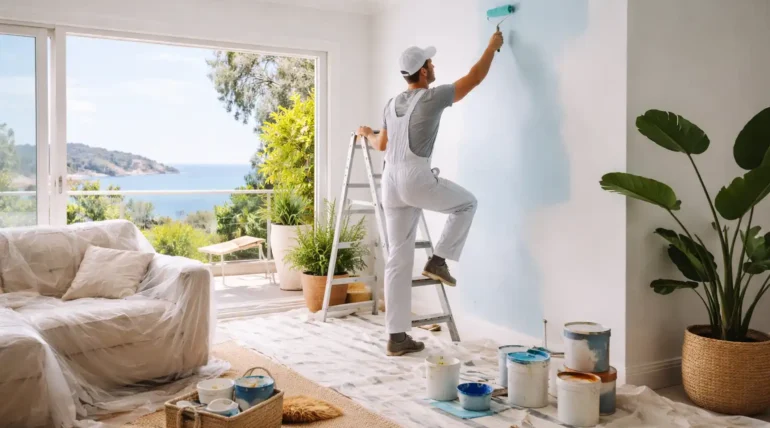
Most homes in Sydney don’t get painted because someone woke up inspired. It usually starts with a wall that won’t clean anymore or paint that’s quietly giving up. That’s where residential painting turns from a luxury into something that actually matters.
From older terraces near the coast to newer builds out west, the wear shows differently. The sun hits harder in some suburbs, and salt hangs in the air in others. A proper residential painting job isn’t just about color; it’s about stopping slow damage before it becomes expensive.
Paint does more than sit on a wall. It absorbs light, defines mood, and quietly reflects the way a space is used every day. A well-done job feels effortless, but behind that smooth finish sits planning, prep, and a fair bit of decision-making.
What really happens during a full paint job
A proper painting job rarely starts with paint. It begins with walking through the house, noticing hairline cracks, damp corners, or old patchwork repairs that never blended right. Most issues sit under the surface and only show once work begins.
Preparation takes longer than clients expect. Sanding, filling, and sealing none of it looks dramatic, but skipping it shows later. The final coat might look fine for a month, then edges start lifting or textures look uneven under daylight.
On-site, things shift. Furniture that was meant to be moved isn’t, walls hide surprises, and timelines stretch. That’s just how residential painting works in lived-in homes. Clean jobs come from patience, not speed.
Residential Painting process from prep to finish
The first day is typically dedicated to preparation, establishing the foundation for the project. Drop sheets go down, surfaces get cleaned, and small repairs begin. It feels slow, but rushing this stage creates problems that no paint can hide later.
Priming is often underestimated. Some walls absorb paint unevenly, especially older plaster. A proper primer evens things out and helps the top coat sit right. Without it, colours shift and patchiness creeps in.
The final coats are what everyone sees, but the real work is usually finished by then. High-quality residential painting looks consistent across every wall, even in tough lighting. That kind of finish comes from the prep work, not just having a steady hand with a brush.
Understanding Costs of Residential Painting in Sydney
The total cost of residential painting really depends on the size of the house, the quality of the paint you pick, and how much prep the walls need. Generally, homeowners in Sydney can expect:
| Service Type | Average Cost (AUD) |
| Interior Painting | $2,500 – $7,000 |
| Exterior Painting | $3,500–$10,000 |
| Specialty Coatings | $50 – $120/m² |
| Full Home Repainting | $8,000–$20,000 |
Real benefits seen after proper house painting
One thing noticed often is how light changes in a room after painting. Even the same color can feel different depending on the finish and surface prep. Rooms feel clearer, not just brighter, which is challenging to explain until seen.
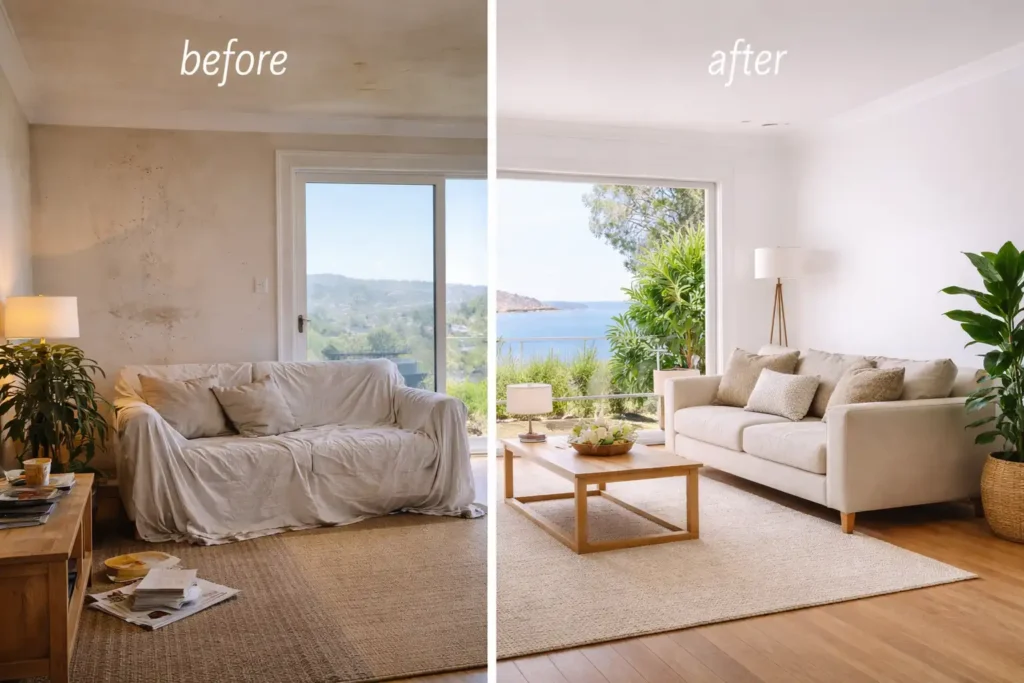
There’s also a maintenance angle. Fresh paint seals minor imperfections and slows down wear. In Sydney’s mixed weather, that matters more than most expect. Small protection now avoids larger repair bills later.
Property value conversations come up a lot. Agents rarely say, “paint everything,” but they notice when it’s done well. A clean residential painting job removes distraction, letting buyers focus on the space instead of flaws
Small site issues that slow work unexpectedly
Jobs rarely go exactly as planned once work starts. Unexpectedly, small issues like navigating NSW painting work license requirements, the need to remove power points, tight corners behind wardrobes, or unshifted furniture slow the pace more than anticipated.
Access becomes a quiet bottleneck. Narrow staircases, shared apartment entries, or limited parking add time every single day. It’s not part of the quote usually, but it affects how smoothly the job moves.
Weather inside the home matters too. Humidity from kitchens or bathrooms can delay drying times. Residential painting doesn’t always follow a straight timeline, even when everything looks straightforward on paper.
Mistakes to Avoid During Residential Painting
Even small missteps can lead to big headaches:
- Choosing low-quality paints for high-traffic areas.
- Skipping surface preparation.
- Ignoring weather conditions for exterior painting.
- Overloading rollers or brushes, causing drips.
- Not hiring certified residential interior painters for complex jobs.
Avoiding these mistakes ensures the end result is smooth, vibrant, and long-lasting.
Material choices and how they affect durability
The quality of the paint directly impacts how long the finish actually holds up. Budget-friendly paints look perfectly fine at the start, but they tend to fade or scuff much faster, especially in high-traffic spots like hallways or the main living areas.
Your choice of finish matters quite a bit, too. A matte finish is excellent for hiding wall imperfections but picks up stains easily, whereas satin or semi-gloss is much easier to wipe down. It’s always a trade-off between the aesthetic and daily practicality.
Primer often gets skipped in cheaper jobs, but it makes a big difference. It improves adhesion and color consistency. Residential painting results hold up longer when the right base is used.
Cost breakdown of residential painting in Sydney
Costs never stay fixed across projects. A small unit might look simple, but tight spaces and detailed trims increase labour time. Larger homes sometimes move faster per square meter, depending on layout.
Labor is almost always the biggest part of the bill. While materials matter, the time spent prepping the surfaces is what really drives the price. If you see a suspiciously cheap quote, it’s usually because they’re skipping steps like proper sanding or that vital second coat, which always shows up as an uneven finish later on.
Unexpected costs appear mid-job more often than people think. Damp patches, peeling layers, or poor previous work all add time. Residential painting pricing isn’t just about size; it’s about what’s hiding underneath.
Why surface condition changes total project pricing
Walls tell stories if looked at closely. Old nail holes, patched sections, and water stains—they all need different handling. Ignoring them might save time upfront, but leads to visible flaws once the paint settles.
Older houses generally require a lot more prep work. You’ve got years of paint layers built up, and getting them stable enough to paint over takes real effort. Newer homes are easier, but they still need settling cracks patched before painting.
Surface condition directly affects how long a residential painting job lasts. A smooth, well-prepped wall holds paint evenly. Rough or neglected surfaces shorten lifespan, no matter how excellent the paint is.
Interior work handled by residential interior painters
Interior jobs look straightforward until lighting gets involved. Natural light exposes every imperfection, especially near windows. That’s where experienced residential interior painters stand out they adjust technique, not just color.
Ceilings are often underestimated. They’re physically demanding and require steady coverage to avoid streaks. One uneven patch can stand out more than a whole wall done poorly, especially in bright rooms.
Clients sometimes change colors mid-project. It happens more than expected. Residential interior painters typically accommodate these changes, but they often result in additional layers, time, and sometimes unplanned cost adjustments.
Exterior painting challenges in Sydney conditions
Exterior jobs are subject to the unpredictable weather conditions in Sydney. A sudden downpour or even intense sun can throw the whole schedule off. If you apply paint in the wrong conditions, it just won’t cure properly, and that’s going to hurt the long-term durability.
Coastal areas bring salt into play. It settles on surfaces and needs proper cleaning before painting. Skipping that step reduces adhesion, and peeling starts earlier than expected.
Access can complicate things, too. Multi-level homes, tight sides, or uneven ground slow everything down. Residential painting outside isn’t just about walls; it’s about safely reaching them without cutting corners.
Choosing between residential painting companies locally
Not all contractors approach work the same way. Some focus on speed, others on detail. Residential painting companies often differ in how much time they spend on prep versus final coats.
Communication matters more than expected. Delays happen, but clear updates make them manageable. Poor communication creates tension even if the work itself is decent.
It’s also common to see residential painting companies offering lower quotes to win jobs. The difference usually shows in prep work or material quality. Short-term savings don’t always hold up over time.
Common mistakes homeowners make before hiring painters
One frequent issue is choosing based only on price. It seems logical, but cheaper quotes often leave out key steps. The result looks fine initially, then starts failing sooner than expected.
Another mistake is underestimating timelines. Living in a house during painting slows everything down. Rooms need to be cleared, access managed, and daily routines adjusted around the work.
Some homeowners skip color testing. What looks good on a sample card behaves differently on a full wall. Residential painting outcomes depend heavily on testing colors in actual lighting conditions.
How long paint lasts in Sydney homes realistically
Interior paint usually lasts for years, but the high-traffic zones definitely wear out faster. Kitchens, hallways, and living rooms are going to show marks sooner, even if you use top-tier finishes. At that point, a bit of maintenance painting just becomes a normal part of looking after the home.
Exterior lifespan varies more. Sun exposure, rain, and surface conditions all play a role. Some homes need repainting earlier simply due to location and environmental factors.
A residential painting job that’s done right will last noticeably longer. When you combine proper prep, quality materials, and the right application techniques, the difference is clear not just on day one, but years later.
Conclusion
A fresh coat of paint can totally transform a house, making the whole place feel brighter and much more inviting.
Professional residential painting doesn’t just look better; it ensures the results actually last, meaning fewer maintenance headaches and a nice boost to your property value. For the best results tailored to your home, getting an accurate quote is key.
Get in touch to connect with a trusted local painting expert and bring your home’s full potential to life with precision, quality, and care.
FAQs
How long does a residential painting project take?
Most residential painting projects wrap up in about 2 to 7 days, depending on the scale and how much prep is needed. Obviously, bigger houses or exterior work can take longer, especially if the weather acts up or we need extra drying time between coats.
Are residential interior painters worth hiring?
Yes, professional residential interior painters are the best way to guarantee a smooth finish and proper prep. Most DIY projects tend to skip over crucial steps like priming or detailed surface repairs, which really hurts the durability in the long run.