
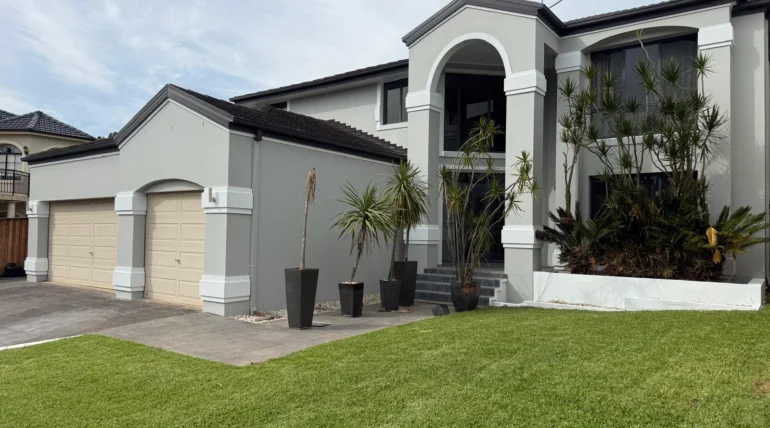
A fresh coat of paint can completely change the feel of a home. But choosing the right painter? That deserves more thought than simply picking the cheapest quote you find online.
When I look at a painting project, I always focus on more than the final colour. Preparation, communication, workmanship and attention to detail can make the difference between a finish that looks sharp for years and one that starts showing cracks far too soon.
If you’re comparing Painters Seaforth for a home, renovation or refresh, start by looking at the complete service rather than just the headline price. A good local painter should understand the area, your property and what you actually want to achieve.
1. Look for local painting experience
Seaforth has its own character. You’ll find established homes, renovated properties, coastal influences and plenty of houses where exterior surfaces face strong sunlight, humidity and changing weather.
That local environment matters.
When I choose a painter, I want someone who understands how different surfaces behave and which products suit the property. Exterior timber, rendered walls, weatherboards and masonry all need slightly different approaches.
A painter with relevant local experience can also spot potential problems before the first brush touches the wall. Peeling paint, surface movement, moisture issues and damaged timber can all affect the final result.
So, instead of asking only, “How much will it cost?”, ask:
- Have you worked on similar homes?
- Can you show me recent local projects?
- How will you prepare my existing surfaces?
- Which products do you recommend and why?
- What challenges do you see with my property?
Those answers tell you far more than a five-minute quote.
2. Check their licence and credentials
Professional painting might look straightforward from the outside. After all, it’s paint, rollers and brushes, right?
Not quite.
A quality painting project involves surface preparation, product selection, safety, access equipment and careful finishing. For larger residential work, I always recommend checking that the contractor has the appropriate credentials for the work involved.
In NSW, licensing requirements can apply to residential building work above certain thresholds. I would never rely on a business name alone. Check the contractor details and make sure they match the person or business you’re actually hiring.
It’s a small step, but it can give you considerably more confidence before work begins.
3. Ask to see recent painting work
Photos can tell you plenty. They can also tell you absolutely nothing if they only show heavily edited close-ups.
When I assess Painters Seaforth, I prefer to see complete projects rather than one perfect wall.
Look for examples that show:
- Exterior house painting
- Interior walls and ceilings
- Doors, trims and skirting
- Weatherboards or rendered surfaces
- Detailed preparation work
- Before-and-after results
Pay attention to the small things. Are the edges clean? Do corners look sharp? Does the colour appear consistent? Do trims have neat lines?
A professional painter should feel comfortable showing you their previous work. If they can’t demonstrate what they’ve done, I’d treat that as a reason to ask more questions.
4. Compare detailed quotes, not just prices
This is where many homeowners get caught out.
You might receive three quotes and notice one looks dramatically cheaper. It can feel like you’ve found a bargain.
Then the project starts.
Suddenly, preparation costs appear. Extra coats cost more. Repairs weren’t included. Certain surfaces weren’t part of the original price. Your “bargain” starts looking less bargain-ish.
I always recommend comparing quotes based on what each painter includes, not simply the final dollar figure.
| Quote detail | What you should check |
| Surface preparation | Sanding, scraping, filling and cleaning |
| Paint | Brand, product range and finish |
| Number of coats | Confirm what the painter has included |
| Repairs | Check whether minor surface repairs cost extra |
| Labour | Confirm what areas the quote covers |
| Protection | Floors, furniture, windows and landscaping |
| Clean-up | Ask whether rubbish and materials get removed |
| Timeline | Confirm estimated start and completion dates |
A detailed quote gives you something much more valuable than a low price: clarity.
5. Make sure the contract clearly explains the work
Once you’ve shortlisted a painter, don’t rush straight to the deposit.
I recommend reading the agreement carefully and checking that it clearly describes the work, price, payment arrangements and any exclusions. For residential work above $5,000, NSW has specific written-contract requirements, and the NSW Government’s guidance on residential building contracts explains what homeowners should look for.
I particularly like contracts that remove ambiguity. If you can read the scope and immediately understand what the painter will do, what they won’t do and what you’ll pay, you’re already starting from a much stronger position.
6. Ask how they prepare the surfaces
Here’s my biggest tip: don’t judge a painter only by the final coat. Judge them by what happens before it.
Great painting starts long before the colour goes on.
Depending on the property, preparation might include cleaning, sanding, scraping loose paint, filling holes, repairing minor imperfections, priming and sealing surfaces.
Why does this matter?
Because paint can hide an imperfect surface for a little while. It can’t magically fix it.
If someone rushes preparation, you may eventually notice bubbling, flaking, uneven texture or visible imperfections. A professional painter should explain the preparation process instead of treating it as an annoying extra step.
Think of it like dressing well. The expensive jacket won’t save the outfit if you ignored everything underneath.
7. Ask which paint products they recommend
I don’t believe homeowners should automatically choose the most expensive paint.
Instead, I’d ask the painter why they recommend a particular product.
Different areas need different solutions. Kitchens and bathrooms may need finishes that handle moisture and cleaning. High-traffic areas can benefit from durable coatings. Exterior surfaces need products designed to handle outdoor conditions.
A good painter should explain the reasoning in plain English.
You should also ask about:
- Paint brand and product range
- Recommended finish
- Primer requirements
- Number of coats
- Colour matching
- Exterior durability
- Touch-up requirements
If the answer is simply, “That’s what we always use,” I’d ask another question.
8. Check reviews, references and communication
A painter can produce beautiful work and still create a frustrating experience if they disappear for three days whenever you ask a question.
Communication matters.
Before hiring Painters Seaforth, check recent reviews and look for patterns. One unhappy review doesn’t necessarily tell the whole story. However, repeated complaints about missed deadlines, poor communication, messy work or unexpected costs deserve attention.
I’d also ask whether the painter can provide references from recent customers with similar projects.
During the quoting stage, watch how they communicate with you. Do they arrive when promised? Do they listen? Do they explain things clearly? Do they answer your questions without making you feel like you’ve just interrupted a very important meeting with their roller?
Those early interactions often give you a good preview of the project experience.
9. Don’t ignore safety and site preparation
Painting involves ladders, access equipment, chemicals, dust and working around furniture, landscaping and other parts of your property.
I want a painter to think about the entire site, not just the wall directly in front of them.
Before work starts, ask how they plan to protect:
- Floors and carpets
- Furniture
- Windows and glass
- Outdoor plants
- Driveways and paths
- Fixtures and fittings
For larger jobs, I also recommend discussing access requirements and how the team will keep the work area tidy.
A well-organised painter should have a clear plan. You shouldn’t have to discover halfway through the job that your garden path has become a paint-splatter art installation.
10. Look for attention to detail
This is the quality that separates an ordinary paint job from a genuinely polished one.
When I inspect a finished project, I look closely at the edges, corners, trims, doors and transitions between colours.
Good painting should feel effortless when you look at it. Lines should look crisp. Coverage should feel consistent. Colours should sit evenly across the surface.
Ask your shortlisted painter how they handle detailed areas such as:
- Window frames
- Architraves
- Skirting boards
- Corners
- Doors
- Ceilings
- Feature walls
- Exterior trims
These areas might seem small, but they have a surprisingly big impact on how professional the entire property feels.
11. Discuss the timeline before work begins
Nobody wants to hear, “We should finish sometime next week.”
Before hiring, ask for a realistic timeframe and clarify what could affect it.
Weather can influence exterior painting, while repairs, drying times and additional preparation can affect interior projects. Your painter should give you an estimated schedule without pretending that every project runs perfectly to the minute.
I’d ask:
- When can you start?
- How long should the project take?
- How many painters will work on the job?
- What could delay completion?
- When will the property become fully usable again?
Clear expectations prevent plenty of unnecessary headaches.
12. Think about value, not just cost
Price matters. I’m not going to pretend otherwise.
However, the cheapest quote doesn’t always deliver the best value.
A painter who spends more time preparing surfaces, uses suitable products, communicates properly and leaves you with a clean, durable finish may cost more upfront but offer better value over the life of the paint job.
I like to think of it this way: you’re not buying litres of paint.
You’re buying the finished result.
That includes the preparation, labour, expertise, materials, protection, clean-up and peace of mind that comes with knowing the job has been handled properly.
Quick checklist before hiring Painters Seaforth
Before you make your final decision, run through this quick checklist:
- I’ve checked the contractor’s credentials.
- I’ve reviewed recent examples of their work.
- I’ve read recent customer reviews.
- I’ve received a detailed written quote.
- I understand what preparation the quote includes.
- I know which paint products they recommend.
- I understand the expected timeline.
- I’ve checked what happens if extra work becomes necessary.
- I understand the payment schedule.
- I’ve confirmed how the painter will protect my property.
- I feel comfortable communicating with the painter.
If you can tick every box, you’re in a much better position to make a confident choice.
Final thoughts
Finding the right Painters Seaforth doesn’t need to feel like a gamble. I’d start by looking beyond the quote and considering experience, preparation, communication, materials, credentials and attention to detail.
A quality painter should make the process feel organised from the first conversation through to the final clean-up. Most importantly, you should know exactly what you’re paying for and what result you can expect.
If you’re ready to discuss your next painting project, Get in touch with our team and take the next step towards giving your Seaforth property a cleaner, sharper and more polished finish.
FAQs
How do I choose the best painter in Seaforth?
Start by comparing experience, recent project examples, customer reviews, credentials, preparation methods, paint products and detailed written quotes. Don’t choose based on price alone.
How much does house painting cost in Seaforth?
The cost depends on the size of the property, surface condition, preparation required, paint type, number of coats, access and whether you need interior or exterior painting. The best way to understand your actual cost involves getting a detailed quote after a proper assessment.
Should I get multiple painting quotes?
Yes. I recommend comparing at least two or three detailed quotes where practical. Look at what each quote includes rather than simply choosing the lowest number.
How long does a house painting project take?
The timeframe varies depending on property size, preparation, number of painters, weather and the complexity of the work. Your painter should provide an estimated schedule before work begins.
Is surface preparation really that important?
Absolutely. I consider preparation one of the most important parts of a painting project. Cleaning, sanding, scraping, filling and priming can help create a smoother and more durable finish.