
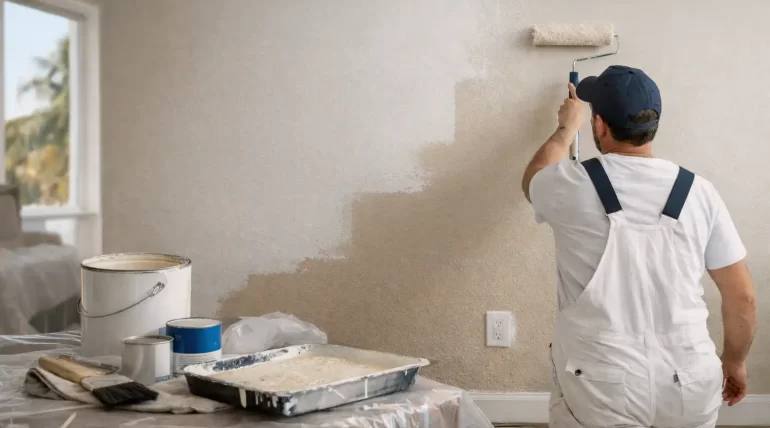
Interior Room Painting sounds simple on paper. Pick a colour, buy a few tins, roll it on, done. But in Sydney homes, it rarely works like that. Between salty coastal air, older Federation walls, modern apartment rules, and unpredictable humidity, Interior Room Painting can go from “quick weekend refresh” to “why is the paint peeling already?” in record time.
Sydney is a stylish city. Homes here are expected to look clean, modern, and fresh, whether it’s a compact Surry Hills terrace or a bright Northern Beaches apartment. That’s why proper planning matters. The best results always come from preparation, not luck.
This guide breaks down exactly what needs attention before starting Interior Room Painting in Sydney homes, including surfaces, weather, colours, finishes, timelines, costs, and common mistakes.
Why Interior Room Painting in Sydney Needs Extra Planning
Sydney homes have unique challenges that directly affect paint performance.
Some properties deal with:
- Coastal moisture and salt exposure
- Older plaster walls and hairline cracks
- High sun exposure through large windows
- Apartment ventilation limitations
- Mould risk in bathrooms and shaded rooms
Skipping prep in these conditions is like putting a fresh shirt on without showering. Looks suitable for five minutes, then reality kicks in. Interior Room Painting works best when the room environment and wall condition are understood first.
Check the Wall Condition Before Any Paint Touches the Surface
Before choosing colours or buying supplies, the walls need to be inspected. Most paint failures happen because the wall underneath is not ready.
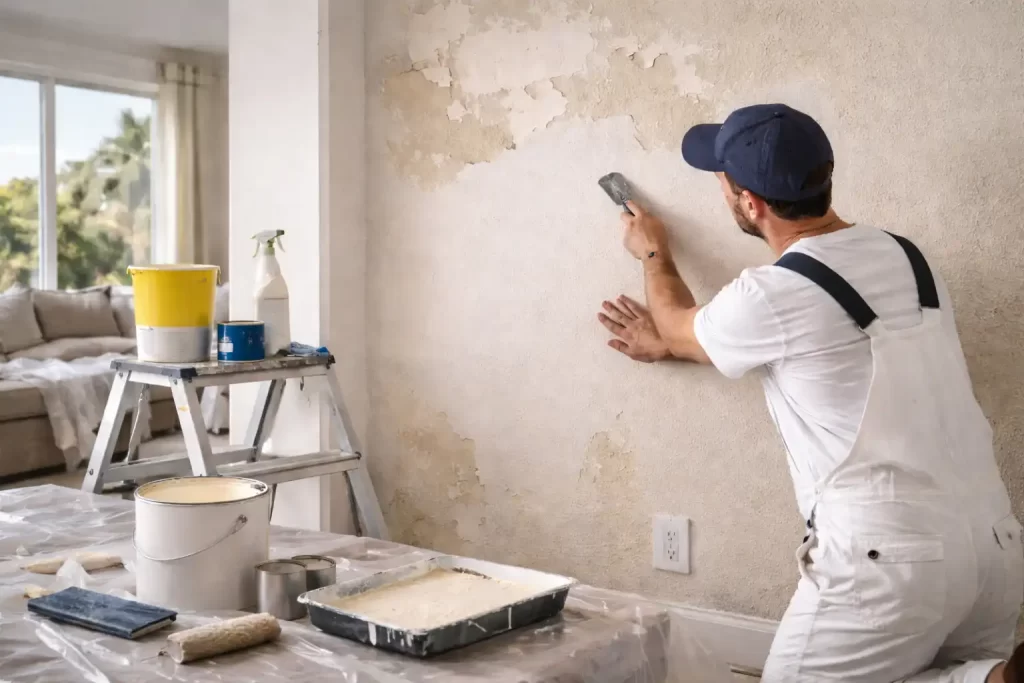
Key issues to look for
- Flaking or bubbling paint
- Damp patches near windows or ceilings
- Hairline cracks in plaster
- Grease marks near the kitchen walls
- Old glossy paint that won’t grip new paint
- Powdery surfaces (common in older Sydney homes)
Even a small patch of peeling can spread fast once new paint goes over it. A smart step is rubbing the wall lightly with a hand. If chalky dust comes off, the wall needs to be sealed first. That is a common situation in older properties in suburbs like Newtown, Glebe, or Balmain.
Moisture and Mould: The Silent Enemy of Interior Room Painting
Sydney’s humidity is no joke. Some weeks feel like the air itself is sweating. If mould is present, painting over it is pointless. It will return, and it will stain through the new paint like a bad memory.
Common mould zones in Sydney homes
- Bathrooms with weak ventilation
- Laundry corners
- Ceiling edges near air-conditioning vents
- South-facing rooms
- Built-in wardrobes against exterior walls
For Interior Room Painting, mould treatment must happen before primer. Otherwise, the finish will look patchy and start smelling musty again within months.
Understand Sydney Lighting Before Choosing a Paint Colour
Sydney has intense natural light. Even “soft beige” can look bright yellow in a sunlit living room.
Colour choices should be made based on:
- Room direction (north-facing rooms are warmer)
- Window size
- Nearby reflections (green gardens can tint indoor walls)
- Artificial lighting type (warm LEDs vs cool whites)
A common Sydney mistake is choosing paint based on a showroom sample. Once the same shade hits a wall under Harbour City sunlight, it becomes an entirely different personality.
Interior Room Painting colour selection should always be tested using sample patches on multiple walls.
Choose the Right Finish: Matte, Low Sheen, Satin, or Semi-Gloss
Paint finish matters just as much as colour. In many Sydney homes, wall imperfections are common, especially in older properties.
Best paint finishes for Interior Room Painting
| Room Type | Recommended Finish | Why It Works |
| Living rooms | Low sheen | Balanced look, easy cleaning |
| Bedrooms | Matte / low sheen | Soft feel, hides flaws |
| Kitchens | Satin | More washable, resists grease |
| Bathrooms | Semi-gloss | Handles moisture better |
| Hallways | Low sheen | Good durability without too much shine |
High gloss might sound premium, but it highlights every bump and crack. That is a brutal reveal on uneven Sydney plaster.
Prep Work Is 70% of Interior Room Painting Success
The best painters in Sydney spend more time preparing than painting. That is not an exaggeration.
Essential prep steps
- Fill dents and nail holes.
- Sand rough patches
- Wash greasy or dusty walls.
- Scrape peeling paint
- Apply primer or sealer.
- Mask trims, cornices, and flooring
- Cover furniture properly
Skipping sanding is like trying to apply makeup on unwashed skin. The finish never looks right. For Sydney interiors, sealing is critical because many walls absorb paint unevenly due to age, moisture exposure, or old coatings.
Primer and Sealer: The Step That Saves Money Later
Primer is not optional in many cases. It is the backbone of Interior Room Painting.
A primer is needed when:
- Painting over dark colours
- Covering stains
- Painting new plaster
- Painting patched walls
- Painting glossy surfaces
- Painting over old chalky walls
Skipping primer may save money upfront, but it usually doubles the number of coats required. That means more paint, more labour, and more frustration.
A reliable resource for paint safety and indoor air concerns can be found at the NSW Health website which includes guidance on indoor environmental issues.
Pick Paint That Handles Sydney’s Lifestyle
Sydney homes are busy. Between work, social life, kids, pets, and weekend guests, walls get touched a lot. Modern Interior Room Painting should focus on durability.
Features worth paying for
- Washable paint technology
- Low VOC formulas
- Anti-mould additives (bathrooms and laundries)
- Scuff-resistant coatings for hallways
- Stain-blocking properties for kitchens
Cheap paint may look fine on day one, but it tends to fade faster and mark easily. In high-traffic Sydney apartments, that becomes obvious quickly.
Interior Room Painting for Apartments vs Houses in Sydney
Sydney has a huge apartment culture. Painting in a unit comes with extra rules.
Apartment painting considerations
- Lift bookings for paint delivery.
- Strata rules about working hours.
- Noise restrictions for sanding
- Ventilation challenges
- Smaller spaces = more pungent paint smell
- Limited drying airflow
In a house, windows and airflow help. In an apartment, paint fumes can hang around like an unwanted guest. That’s why low-odour, low-VOC paint is a smarter option for city living.
Best Seasons for Interior Room Painting in Sydney
Sydney’s weather is generally friendly, but timing still affects drying and curing.
Best Time
- Late autumn and early spring
- Mild temperatures
- Lower humidity
- Comfortable ventilation
Worst Time
- High-humidity summer days
- Rainy winter stretches
- Stormy coastal weeks
Paint dries differently depending on the air’s moisture content. Even if the wall feels dry, curing takes longer in humid conditions, increasing the risk of marks, smudges, and uneven finish.
How Many Coats Are Needed for a Professional Look?
Most Interior Room Painting projects require:
- 1 coat primer (if needed)
- 2 coats of topcoat
Some colours need more coats, especially:
- Deep navy
- Charcoal grey
- Bright white over dark walls
- Reds and strong greens
A common mistake is stopping after one coat because it “looks okay.” Under daylight, patchiness becomes visible fast. Sydney sunlight is unforgiving. It exposes everything.
Common Mistakes That Ruin Interior Room Painting Results
Even good paint can look cheap when the process is sloppy.
Mistakes that instantly show
- Painting without cleaning the walls first
- Painting over mould
- Skipping primer
- Not cutting edges cleanly.
- Using the wrong roller nap
- Painting too thick
- Not allowing proper drying time.
- Ignoring the ceiling and trim contrast
Bad edging around cornices makes a room look unfinished. In Sydney, homes with decorative trims are especially noticeable.
Interior Room Painting Cost Expectations in Sydney
Sydney is not a budget city, and painting costs reflect that.
Pricing depends on:
- Wall condition
- Ceiling height
- Prep requirements
- Paint quality
- Number of rooms
- Accessibility
Typical Cost Factors
| Cost Factor | Impact on Price |
| Wall repairs | Medium to high |
| Mould treatment | High |
| Premium washable paint | Medium |
| High ceilings | High |
| Detailed trims/cornices | Medium |
| Feature walls | Medium |
In many cases, prep and repair work can cost more than the paint itself. But that’s also what makes the finish last.
Best Interior Room Painting Trends in Sydney Right Now
Sydney design trends are shifting toward calm, warm, and natural tones. Loud colours are fading out.
Popular interior painting styles
- Soft warm whites instead of cold bright whites
- Beige and greige tones
- Earthy greens
- Moody charcoal feature walls
- Matte ceilings for modern minimalism
- Clean contrast trims
The goal is a look that feels premium without trying too hard.Interior Room Painting is now less about bold colour and more about mood.
Room-by-Room Tips for Interior Room Painting in Sydney Homes
Living Room Painting Tips
Living rooms are the “showroom” space. Low sheen works best for elegance and durability. Neutral tones pair well with Sydney’s bright natural light and modern furniture style.
Bedroom Painting Tips
Bedrooms should feel calm. Matte finishes can hide imperfections and create a softer feel. Warm whites and muted tones make the room feel expensive without needing new furniture.
Kitchen Painting Tips
Kitchens need washable paint. Satin finishes handle cooking residue better. Walls near cooking areas should always be cleaned and appropriately primed.
Bathroom Painting Tips
Bathrooms should use moisture-resistant paint, ideally with mould protection. Ventilation improvements should be handled before painting. Otherwise, mould stains return quickly.
How Long Does Interior Room Painting Take?
A standard room usually takes:
- Day 1: prep and repairs
- Day 2: primer + first coat
- Day 3: second coat + finishing touches
Drying times vary depending on Sydney’s humidity. Rushing the second coat is a recipe for streaks and roller marks. Professional-looking Interior Room Painting always respects drying time.
Checklist Before Starting Interior Room Painting
Before paint cans are opened, a quick checklist makes the process smoother.
Interior Room Painting Checklist
- Walls inspected for cracks, dampness, and peeling.
- Mould treated properly
- Furniture moved or covered.
- Flooring protected
- Primer chosen based on surface type.
- Paint finish selected per room.
- Colour tested under natural light
- Tools ready (rollers, brushes, tape, drop sheets)
- Enough drying time planned
Preparation prevents last-minute panic, and Sydney homes love a clean, sharp finish.
Conclusion
Interior Room Painting is one of the easiest ways to make a Sydney home look newer, brighter, and more expensive, without tearing down walls or spending renovation-level money. But the best results don’t come from rushing.
They come from wall prep, wise colour choices, correct finishes, and paint that suits Sydney’s climate and lifestyle. A properly painted room feels fresh, clean, modern, and polished. It changes the entire vibe instantly.
For a smooth finish that lasts for years, Interior Room Painting should always be planned like a real project, not a quick DIY gamble. A clean paint job can completely transform a home’s mood and value. For professional-quality Interior Room Painting in Sydney, it’s time to get it done properly.
Contact Us Today and Request A Quote to refresh walls with a flawless finish that actually lasts.
FAQ
What is the best paint finish for Interior Room Painting in Sydney homes?
Low sheen is one of the best options for Interior Room Painting because it balances durability and style. It looks modern, hides minor wall flaws, and cleans easily. Matte works well for bedrooms, while satin and semi-gloss suit kitchens and bathrooms due to higher moisture and cleaning needs.
How can mould be prevented during Interior Room Painting in Sydney?
Mould prevention starts with treating existing mould before painting. Anti-mould primer and moisture-resistant paint are ideal for Interior Room Painting in bathrooms and laundries. Ventilation also matters; exhaust fans and airflow reduce humidity, stopping mould from returning and ruining the fresh paint finish.
How long should paint dry during Interior Room Painting projects?
Drying time depends on humidity, but most Interior Room Painting jobs need at least 2–4 hours between coats. Complete curing can take several days. In Sydney’s humid conditions, longer drying time helps prevent roller marks, patchy colour, and peeling, especially in shaded or poorly ventilated rooms.