
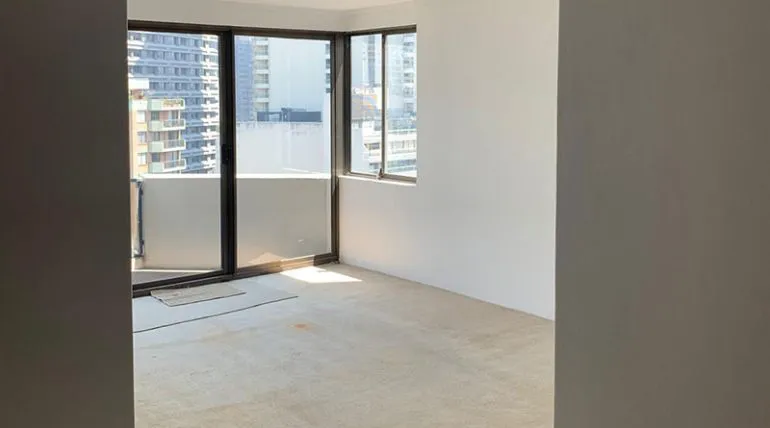
Painting a room sounds simple until the finished walls tell a different story. Streaks catch the afternoon light, tiny cracks suddenly appear, and colours that look perfect on the sample card feel completely different once they cover the walls. The final look often judges interior house painting, but that result depends on dozens of decisions made long before the paint dries.
Many Sydney homeowners invest in premium paints, spend hours choosing colours, and still end up disappointed. The issue is rarely the paint itself. Proper surface preparation, lighting, room conditions, and application techniques all influence the outcome. Paying attention to these details can help you avoid common problems and achieve a refined finish.
Whether you’re refreshing a single bedroom or planning a complete home makeover, understanding what causes common painting problems helps you make better decisions. This guide explores the less obvious reasons paint fails and explains how professionals create interiors that stay beautiful for years, not months.
Why Fresh Walls Still Show Flaws
Many homeowners step back after painting and wonder why the room doesn’t feel as polished as they imagined. Fresh paint reflects light differently, making tiny dents, uneven patches, and old repairs suddenly much easier to notice than before. Once sunlight moves across the room, bumps, dents, and uneven textures become much more visible.
Walls naturally change over time. Furniture leaves scuff marks, minor settling creates hairline cracks, and everyday living introduces small dents that slowly build up. Applying paint over these surfaces seals the imperfections beneath a new colour.
Another overlooked factor is timing. During interior house painting, applying paint in humid conditions or before repaired surfaces have fully dried can compromise adhesion and cause visible flaws later. Even quality products struggle when applied under unsuitable conditions.
In many Sydney homes, especially older Federation properties and renovated terraces, walls carry years of minor repairs beneath the surface. Once daylight streams through large windows, those hidden imperfections become surprisingly obvious, even when premium paint has been used.
Professional painters also understand that every surface behaves differently. Plasterboard, timber trims, repaired patches, and previously painted walls absorb coatings at different rates. Treating them the same almost always produces an inconsistent appearance.
How Interior Painting Reveals Hidden Issues
Interior house painting often exposes problems that remained hidden for years because fresh paint reflects light differently from older surfaces. What once blended into the background suddenly becomes obvious under natural daylight or modern LED lighting.
Every room tells a different story. A bright north-facing living room behaves differently from a narrow hallway with little natural light. The same colour can appear warmer, cooler, lighter, or darker depending on the time of day and the direction sunlight enters the space.
Before deciding whether a wall only needs repainting or requires repairs first, experienced painters inspect details that most homeowners naturally overlook. Those small observations often determine whether the finished room looks average or exceptional.
- Fine surface cracks that continue to expand over time.
- Nail pops or patched repairs are sitting slightly proud of the wall.
- Grease, dust, or residue is preventing proper paint adhesion.
- Previous roller marks are creating uneven texture beneath new coatings.
- Moisture stains may return without addressing the underlying cause.
These seemingly minor defects influence the overall appearance far more than colour selection alone.
The same principle applies to ceilings, door frames, skirting boards, and cornices. A perfectly painted wall can still look unfinished if surrounding surfaces show age or wear.
Common Problems And Practical Solutions
Every flaw leaves a clue. Interior house painting becomes far more predictable when you understand what’s causing the problem instead of simply painting over it.
| Painting Problem | Why It Happens | Professional Solution |
| Roller marks | Uneven pressure or drying between passes | Maintain a wet edge and apply consistent roller technique |
| Flashing patches | Repairs absorb paint differently | Prime repaired areas before applying top coats |
| Peeling paint | Poor adhesion caused by dust or moisture | Clean, repair, and prepare surfaces thoroughly |
| Bubbling | Moisture trapped beneath paint film | Identify moisture source before repainting |
| Uneven colour | Different surface porosity or insufficient coats | Apply recommended coats evenly across the surface |
| Visible brush strokes | Incorrect brush selection or overloaded paint | Use quality tools and controlled application methods |
The most successful painting projects focus on prevention rather than correction. Solving these issues before the first coat saves both time and future maintenance while producing a finish that remains consistent throughout the home.
During interior house painting, every room deserves its own strategy. A busy hallway experiences constant wear, while a formal living room often benefits from finishes that maximise natural light and create a balanced appearance.
Choosing quality materials is only part of the process. Following recognised guidance such as AS/NZS 2311:2017 – Guide to the Painting of Buildings helps ensure suitable preparation methods, application techniques, and maintenance practices are considered throughout the project.
Rather than relying on quick fixes, experienced professionals know every stage influences the next. Careful preparation, premium materials, and methodical application combine to create smooth, durable finishes that continue looking fresh long after the furniture has been moved back into place.
Interior Home Painting Needs Better Planning
A flawless finish is rarely the result of luck. It comes from planning every stage before the first brush touches the wall. Colour selection matters, but so do the room’s function, lighting direction, existing finishes, and even how frequently the space is used. These details shape both the appearance and longevity of the final result.
For example, a busy hallway experiences constant contact from bags, shoes, and children’s hands, while a formal living room may need a finish that enhances natural light and architectural details. Kitchens and bathrooms are exposed to steam and moisture every day, making durability just as important as aesthetics.
Instead of treating every room alike, professional interior house painting services take a tailored approach for each environment. They also allow enough drying and curing time between coats, preventing issues that may only become visible weeks later.
Choosing The Right Interior Painting Contractor
The quality of a painting project depends as much on the people behind it as the products they use. An experienced contractor pays attention to details that many homeowners never notice, from protecting flooring and furniture to checking surface conditions before opening a can of paint.
When comparing professionals, consider more than just the quoted price. Look for qualities that reflect genuine workmanship:
- Provides a detailed written quotation with a clear scope of work.
- Explains the preparation process before discussing colours.
- Uses premium products suited to each room and surface.
- Maintains a clean and organised work area throughout the project.
- Communicates realistic timelines instead of making rushed promises.
- Completes final inspections to ensure consistent quality across every room.
Choosing experienced interior house painting professionals reduces the likelihood of expensive touch-ups, uneven finishes, or premature wear. It also gives homeowners confidence that the project will be completed with care from start to finish.
Interior Painting Sydney For Lasting Results
From contemporary apartments overlooking Sydney Harbour to Federation homes in the Inner West and coastal properties around the Eastern Suburbs, every home presents its own painting challenges. A contemporary apartment in the CBD, a Federation home in the Inner West, and a coastal property in the Eastern Suburbs all present different painting challenges. Natural light, ventilation, humidity, and the building’s age influence how paint performs over time.
This is why a one-size-fits-all approach rarely delivers lasting results. Experienced local painters understand how different environments affect drying times, finish selection, and long-term durability. They adapt their techniques to suit each property rather than relying on a standard process. Interior house painting should reflect the character of each property rather than following the same approach for every Sydney home. Modern apartments, heritage houses, and coastal residences all require slightly different techniques to achieve consistent results.
Modern homeowners also expect more from paint than simply changing colour. Today’s interiors should feel brighter, easier to maintain, and visually balanced throughout every room. Achieving that standard requires careful preparation, thoughtful product selection, and skilled application working together.
Conclusion
A beautiful interior is built on careful preparation, informed decisions, and attention to detail rather than simply applying fresh paint. By recognising common painting problems before work begins, interior house painting becomes a long-term investment that delivers smooth, durable, and visually appealing spaces while complementing the way every room is used.
If you’re planning to refresh your home with a professional finish, get in touch to Grand Painting today. Our experienced team delivers reliable residential painting solutions across Sydney, helping you achieve interiors that look exceptional from every angle while standing up to everyday living.
Frequently Asked Questions
1. How long does interior house painting usually take?
The timeline depends on the size of the home, the condition of the walls, and the amount of preparation required. Most interior house painting projects for standard rooms take one to three days, while larger homes or more detailed work may require additional time for proper drying and finishing.
2. What type of paint finish is best for interior house painting?
The ideal finish depends on the room’s purpose. For interior house painting, low-sheen finishes work well in living areas, while washable satin or semi-gloss options are better suited to kitchens and bathrooms. Matte finishes are commonly chosen for ceilings to reduce light reflection.
3. Why should I hire professional interior house painting experts instead of doing it myself?
Hiring experienced interior house painting professionals helps ensure proper surface preparation, even paint application, and long-lasting results. They also use suitable tools and proven techniques to minimise mistakes, save time, and deliver a cleaner, more polished finish.