
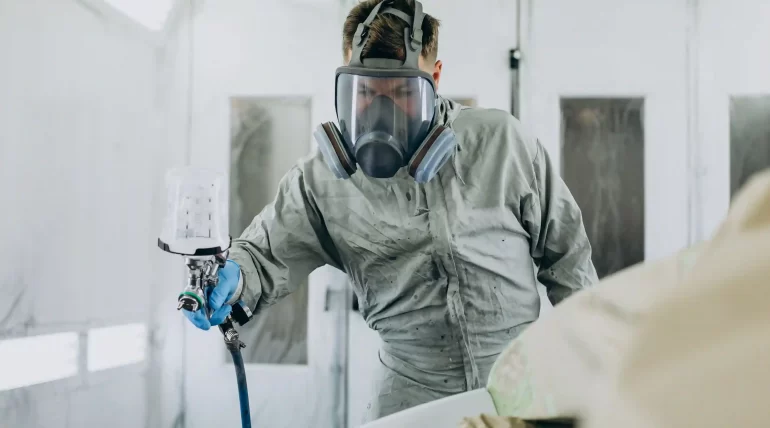
Imagine this: you’re strolling past a massive factory on a hot Sydney afternoon. The steel beams and tanks gleam under the sun, but that shiny surface isn’t just for show – it’s a secret weapon. Industrial painting services act like a tough suit of armour for factories, warehouses, and infrastructure around Sydney.
By applying high-performance coatings, these services shield valuable assets from rust, chemicals, weather and wear. In short, industrial painting doesn’t just make things look good – it reinforces structures and extends their lifespan. In a city where salty sea breezes and intense UV rays are constants, the right paint can be the difference between a facility that lasts decades and one that falls apart prematurely.
How Industrial Painting Services Protect Sydney Facilities
Sydney’s unique climate puts even more pressure on your assets. Blistering summer heat, occasional heavy rain, and that ever-present salt in the air can wreak havoc on unprotected metal and concrete. As coatings expert NEOtech Coatings explains, Australia’s “high temperatures and coastal environments… can accelerate corrosion”, causing materials to degrade faster. Industrial painting services in Sydney combat these threats head-on.
They use specialised paints (think corrosion-resistant primers, UV-blocking topcoats, and even fire-resistant layers) that form a barrier against the elements. The result? Equipment and structures that remain strong and safe long-term.
In fact, protective coatings reduce maintenance expenses by shielding surfaces from corrosive elements, lowering overall costs. This is why savvy facility managers in Sydney treat industrial painting as an investment, not an expense.
Why Industrial Painting Services Matter
You might be wondering: what exactly are industrial painting services, and why are they so important? These services go well beyond a fresh splash of colour. Think of industrial painters as maintenance specialists with fancy brushes and spray guns. They assess, prepare, and coat large-scale assets – from factory floors and steel beams to storage tanks and pipelines – using tough, industrial-grade paints.
The goal is prevention. By carefully cleaning and priming surfaces, then applying the right protective paint, they prevent tiny problems like scratches or moisture from turning into big problems like rust and structural failure.
In practice, this means Industrial Painting Services are all about asset protection. As one Sydney-based provider notes, their “high-performance coatings shield your structures from corrosion, chemicals, and environmental wear, extending their lifespan”. In other words, they’re giving your assets a robust shield. Here are some key benefits they provide:
- Corrosion Prevention: Salt air and humidity cause metal to oxidize. A good industrial coating acts like a rust inhibitor, blocking moisture and salt.
- Chemical Resistance: In factories, splashes of solvents or acids are common. Special paints resist those chemicals so machinery and supports don’t degrade.
- Weather Protection: UV rays and rain can crack and peel ordinary paint. Weatherproof topcoats (like Dulux Weathershield) reflect UV and repel water, keeping structures intact.
- Safety & Compliance: : Anti-slip coatings, high-visibility markings, and fire-resistant paints improve workplace safety and help you meet regulations.
- Reduced Maintenance: By extending the asset’s life, you’ll repaint or repair far less often. One guide notes that investing in coatings (often just 1-2% of project cost) saves far more down the line.
In a nutshell, industrial painting services are like a preventive makeover. The effort and cost of coating an asset are small compared to the headache and expense of replacing it. As one industry specialist wryly puts it: the paint is not just decoration – it’s “reinforcing structures, extending the lifespan of critical assets”.
Sydney’s Environment: A Corrosion Hotspot
Sydney’s seaside location is lovely for weekends but brutal for steel and concrete. Imagine the Sydney Harbour and its ocean breezes: metal exposed to that air will inevitably corrode if unprotected. Add in Aussie sunshine (which fades and cracks materials) and occasional storms (which bring heavy rain and humidity), and you’ve got a recipe for wear and tear.
Consider this: coastal cities like Sydney see salt spray carried inland, which deposits on metal surfaces. Over time that salt draws moisture and creates rust pits. Similarly, bright sun can dry out or fade unprotected coatings, letting cracks form. Industry experts confirm that “coastal environments… accelerate corrosion and heat stress”, leading to premature decay of infrastructure.
For example, steel girders in a Sydney warehouse without proper paint might need replacement in a few years, while a properly coated one could last decades. Or think about outdoor storage tanks at a port: heavy rains and sun can warp and rust them – unless they’re sealed with weatherproof paint.
To illustrate, coating manufacturers often mention how Australia’s “unique climate and environmental conditions” demand extra protection. They recommend coatings that explicitly guard against UV, salt, humidity, and even biological threats (like mold or algae in humid zones). Without this protective layer, equipment failures become far more likely, and downtime (along with repair bills) skyrockets.
- Key Sydney factors: Salt-laden air, humidity, UV radiation, temperature swings.
- Protective response: Use marine-grade anti-corrosion paints, UV-resistant topcoats, moisture barriers, and regular inspections.
By hiring local industrial painting services, Sydney businesses can tailor the solution to this tricky climate. These pros know which products (e.g. Dulux’s Weathershield) work best here and can schedule maintenance before the summer or winter hits. The payoff is smoother operations – no unexpected breakdowns or rust holes.
How Protective Coatings Extend Asset Life
So how does paint actually protect your assets? At the heart of it, each coating layer acts as a barrier. Imagine paint as a skin: it prevents oxygen and water from reaching the metal underneath. No oxygen + no water = no rust. Good industrial paints also contain inhibitors that neutralise any moisture that does sneak through. Some even flex with the metal’s expansion in heat, so they don’t crack or peel.
This isn’t just theory. Experts from Veolia Australia explain that “assets and structures are constantly exposed to harsh… conditions which lead to corrosion and deterioration”. Left unprotected, these conditions “drastically impact asset life.” On the flip side, their protective coatings team “protects, preserves and extends your assets [serviceable] life”. In plain terms: a good paint job buys years.
For example, a steel pipe in a chemical plant is vulnerable to acidic fumes. A pipe painted with an industrial-grade epoxy coating can withstand those acids for many years without corroding. Uncoated, it might pit out in a few months. Similarly, structural steel in a Sydney building can have a fire-resistant coating that delays collapse in case of fire, giving people valuable escape time (and insurance coverage compliance).
Here’s a quick comparison table of common industrial coatings and what they do:
| Coating Type | Application | Benefit |
| Epoxy Floor Coating | Factory/warehouse floors | Hard-wearing, chemical- and impact-resistant; easy to clean. |
| Anti-Corrosion Primer | Metal structures, pipelines | Prevents rust and oxidation; extends metal life. |
| Weatherproof Topcoat (e.g. UV-resistant paint) | Roofs, exterior walls | Blocks UV rays, repels water; protects from sun and rain. |
| Intumescent (Fireproof) Coating | Structural steel, pipes | Expands under heat to delay fire spread; boosts safety. |
| High-Visibility/Safety Paint | Warehouse floors, hazard zones | Improves visibility and slip resistance; enhances compliance. |
Each of these coatings acts like a thin layer of armour. Even if it seems “just paint,” remember that these formulas are engineered for industry – often filled with corrosion inhibitors, hardened resins, or reflective particles. That means once applied by a professional service, your assets wear an invisible shield.
The Industrial Painting Process
Wondering what actually happens during an industrial painting service? It’s not a casual afternoon brush-off. The process is methodical:
Assessment & Planning
Experts first inspect your facility. They identify rusted spots, check what the asset is made of (steel, concrete, etc.), and discuss the environment. Think of this as a doctor’s diagnosis. They might say, “This steel girder needs sandblasting to remove old rust, then an epoxy primer followed by a UV-blocking topcoat.”
Surface Preparation
This is crucial. Without it, coatings won’t stick. Painters will blast, grind, or pressure-wash surfaces to strip away loose paint, rust, oil, and grime. For example, if a warehouse floor has oil spots, they might use a solvent wash or shot-blast the concrete. Any cracks or holes are filled or welded. Proper prep ensures a uniform, clean base.
Priming & Painting
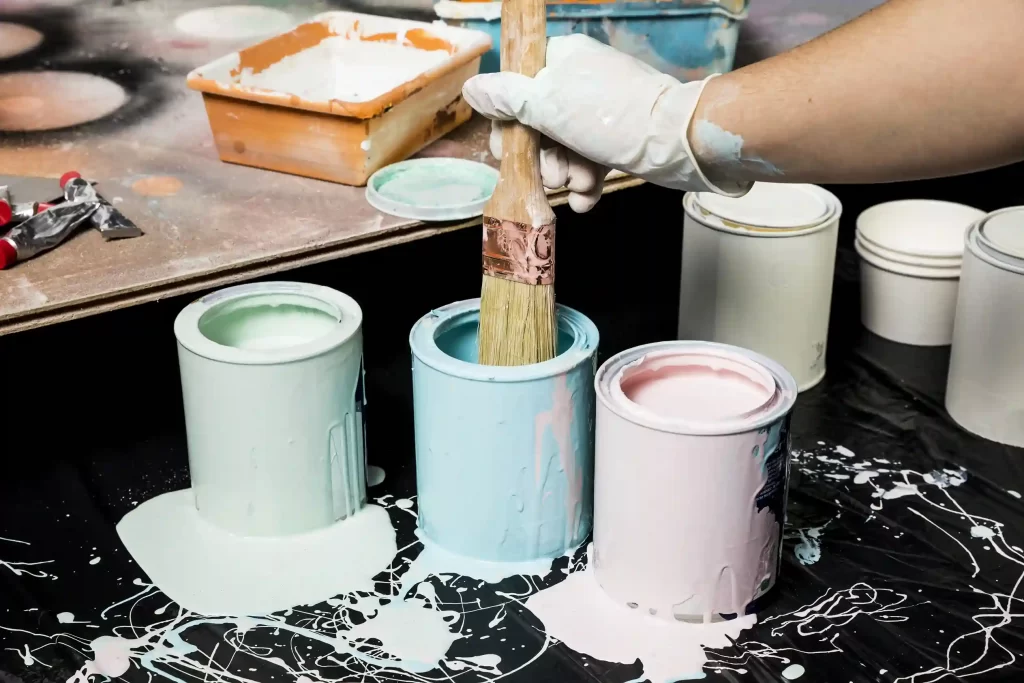
Next, primers are applied. Primers often contain anti-corrosion chemicals. Once dry, multiple layers of the chosen coating go on. The team (in our image above) carefully paints with brushes, rollers or high-volume sprays to achieve full coverage. They’ll use industrial-strength paint designed for your specific problem – whether that’s salt spray at the port or acid spills in the plant.
Curing & Inspection
The paint needs time to cure (harden). Technicians measure thickness and check for defects. Quality standards (like AS/NZS 2312 in Australia) are often followed to ensure the coating is up to spec. Finally, they do a clean-up and give you a report. Many services also recommend a maintenance plan so you can top up the coating before it ever fails.
Quality standards (such as AS/NZS 2312 in Australia) are often followed to ensure the coating performs as intended, alongside guidance from Safe Work Australia on managing risks associated with industrial plant and structures.
A well-executed process means minimal downtime. As one provider boasts, industrial painters schedule work flexibly (even nights or weekends) so your operations keep running. All told, getting this work done methodically means you avoid surprise shutdowns later – a lifesaver for busy Sydney facilities.
Choosing the Right Industrial Painting Service
Now, not all painting contractors are the same. You’ll want a team that knows industrial needs, not just a house painter with a big ladder. Look for a company with:
Experience & Expertise:
They should be licensed and have a track record in heavy-duty projects. For example, Australian Painting highlights “over a decade of experience in the industrial sector” and training in corrosion protection.
Specialized Equipment
Industrial work often needs spray rigs, scaffolding, safety gear, and sometimes even robotic blasting tools. Ask if they have the right kit. Sydney-specific, check if they know local regulations (like workplace safety laws).
Quality Products
Do they use reputable industrial brands (such as Dulux, Wattyl, etc.)? A clue is if they mention brands like Dulux Weathershield for UV protection. Brand-name paints usually carry warranties or proven durability.
References & Compliance
Good services will happily show past projects or client testimonials. They should follow Australian standards (e.g., AS/NZS 2312 for steel painting). This ensures the coatings last as promised.
Remember, cheap quotes may mean skimpy prep or inferior paint. It’s better to invest in a quality coating. As industry experts note, even if a high-performance paint system costs a bit more upfront, “selecting an appropriate protective coating… should be based on performance over time rather than initial cost”. When choosing your contractor, ask about warranties and maintenance plans. A confident, transparent provider should answer all your questions.
Cost, Savings, and ROI
A natural question: industrial paint jobs can be pricey. Specialized labour and materials add up. But let’s talk ROI. A thin scratch repaired early costs pennies; a collapsed rusted girder costs thousands (plus downtime!). Studies show that corrosion-related maintenance in Australia is astronomical – easily billions a year across industries. By contrast, protective coatings often make up only 1–2% of initial build costs, yet save multiple times that in avoided replacements and repairs.
In practical terms, think of it this way: every dollar you spend on quality coatings is an investment. It reduces how often you have to shut down and repaint, and it prevents asset failures that could halt your whole operation. For example, replacing a corroded bridge beam in Sydney’s infrastructure could run into the hundreds of thousands, whereas repainting it periodically is far cheaper in the long run.
The maths from experts is clear – “Protective coatings reduce… expenses by shielding surfaces from corrosive elements”, and prevent the costly downtime that comes with breakdowns. So while the upfront cost might raise eyebrows, the long-term savings (and safety) justify it. Plus, insurance and regulatory compliance often favor well-maintained assets, which can even lower premiums or fines.
In summary, good industrial painting services are an example of “pay now or pay much more later”. When done right in Sydney’s tough conditions, they pay dividends in durable, worry-free operations.
Conclusion
At the end of the day, Industrial Painting Services in Sydney are like a much-needed shield against time and the elements. They protect your buildings, machinery and infrastructure from rust, chemicals, UV damage and more. By extending asset life and reducing maintenance, these services save money and headaches in the long run. We’ve talked about why coatings matter, how the process works, and even how to pick a great painter.
If you’ve got valuable equipment or structures, think of professional industrial painters as partners in maintenance. They help keep your assets healthy and “looking sharp.” Next time you walk past that factory or warehouse, give a nod to the invisible armour on its walls. And remember: a solid coat of paint today might save you from big repairs tomorrow.
Ready to armour up your assets? Consider consulting a Sydney-based industrial painting expert for a quote. Your future self (and your budget) will thank you.
FAQ
What are industrial painting services?
Specialized painting for large-scale facilities (factories, tanks, steel structures) using high-durability coatings to protect against corrosion, weather, chemicals and wear.
How do industrial painting services protect assets?
By applying tough, protective coatings that act as a barrier. They seal out moisture, chemicals, UV and abrasion, which dramatically slows down rust and deterioration.
Why invest in industrial painting for my facility?
Proper coatings extend the life of equipment and structures, improve safety, and reduce costly repairs or downtime. It’s often cheaper over time than emergency maintenance or replacements.