
Choosing an Industrial Painting Contractors Company in Sydney isn’t just about slapping a coat of paint on steel — it’s about protecting your assets and your people. Under Sydney’s blazing sun and salty sea breeze, a painted structure needs to stand up to UV, moisture and rust for years.
Imagine staring at that giant metal tank or factory wall and wondering, “How do I pick the right crew for the job?” Think of it like hiring a team to refinish a family heirloom if it’s done poorly, you’ll be back to square one. But don’t worry, I’ve got your back. After talking to pros, inspecting paint jobs, and donning more PPE than a NASA engineer, I’m here to guide you through every splatter and stroke of the process.
Define Your Industrial Painting Project
First off, get a clear picture of what you need painted. Industrial painting covers a huge range of projects: think processing plants, chemical storage, power generation gear, pipelines, bridges and even offshore structures. Check if your contractor even advertises these services: a true industrial painting contractors company will proudly list work on things like processing plants, chemical tanks or bridges on its site.
If you see these keywords, you know they’re serious about industrial jobs. Not every painter is set up for this. It’s a bit like going on a date — you want someone who’s an expert in exactly what you’re after.
If you need a factory roof recoated or a ship hull repainted, make sure your industrial painting contractors company has done similar heavy-duty jobs before. For example, one industry guide points out that industrial contractors typically handle massive facilities like manufacturing plants and water towers, so they know their way around safety harnesses and sandblasters. In short, define your scope: what are you painting, and does the painter’s portfolio match that project?
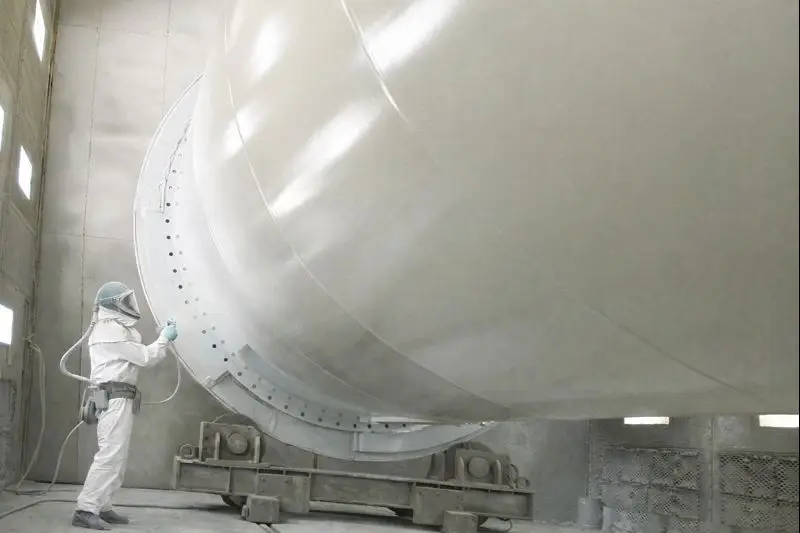
An industrial painter applies protective coatings to a large steel tank — the kind of heavy-duty project a specialist industrial painting contractors company handles.
Experience, Training and Expertise in an Industrial Painting Contractors Company
Experience is the brushstroke that separates dabblers from masters. A top-notch contractor should have years of industrial projects under their belt and relevant certifications. As one industry guide notes, “experience and certifications are non-negotiable” when it comes to industrial painting.
Look for companies that highlight similar jobs or showcase complex finishes. For example, a Sydney contractor boasts projects like pipelines, manufacturing plants — and even landmarks like the Harbour Bridge — showing they can handle big challenges.
During your conversation, ask about their team’s specific training (think: working at heights, spray rig operation, corrosion control). Newbies to industry painting might not know how to prep metal properly or handle toxic coatings – that can lead to peeling paint or worse. In short, you want seasoned pros who’ve seen a bit of everything.
Don’t be shy to ask how many years they’ve been working on industrial sites or what unusual surfaces they’ve painted – their stories should inspire confidence, not confusion. If they sound clueless, you might be talking to the wrong team. You want a company that treats your site like a shipyard or aircraft hangar, not a suburban living room.
Licences, Insurance and Safety Protocols for Industrial Painting Contractors in Sydney
Before the brushes even touch the metal, check that your contractor ticks all the bureaucratic boxes. In NSW any painting job over $5,000 (materials + labour) legally requires a licensed contractor, so ask to see that licence.
You can also confirm a contractor’s credentials through the NSW government’s building and trade licences and registrations, which outlines who is legally allowed to perform painting work in New South Wales.” A trusted industrial painting contractors company will also have full public liability and workers’ compensation insurance — think of it as safety netting in case things go splat.
They should be able to name their training credentials without fumbling. Common safety certifications include the infamous “white card” (general work health), Safe Work at Heights, and SWMS (Safe Work Method Statements) for every stage.
If they mention VETA-ISN or Dulux accreditation, bonus points — those mean extra specialised training. Make sure the crew suiting up in PPE is more Stormtrooper than beach bum: helmets, gloves, respirators, the works.
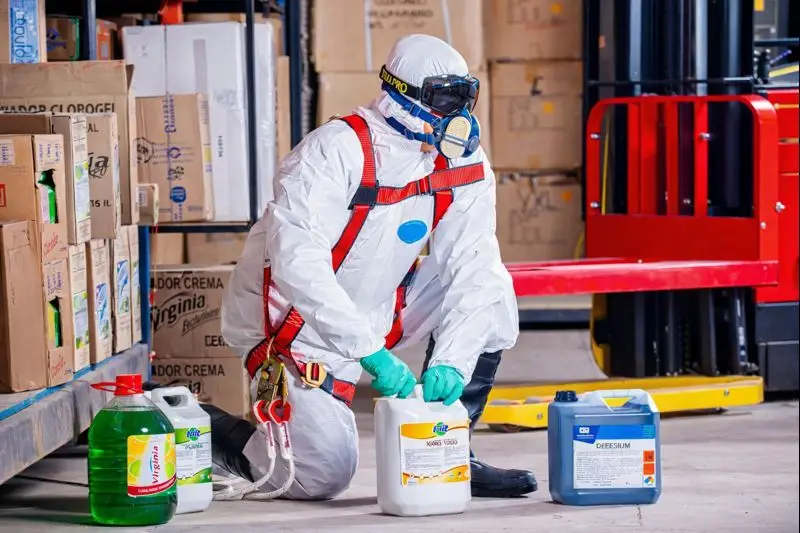
A professional industrial painter in a full protective suit preparing heavy-duty coatings – safety protocols are mandatory on serious industrial projects.
Licences and Permits:
Confirm your industrial painting contractors company has all needed licences (NSW requires licensed contractors for jobs over $5k) and industry accreditations.
Insurance:
Ensure they carry public liability and workers’ comp insurance so you’re not liable if someone gets hurt on site.
Safety Training:
Look for white card certification, SWMS, harness training, etc. They should insist on safety gear — not show up in thongs.
Equipment & Materials:
Top contractors use high-quality, industrial-grade paints (epoxy, anti-corrosive, marine coatings) and professional spray equipment. Avoid anyone using cheap hardware-store cans.
Reputation, References and Reviews
Even pros need a glowing reputation. Once you have a shortlist, do some detective work: hunt down online reviews and ask for client references. A quality industrial painting contractors company should have no qualms sharing past projects or testimonials — in fact, they’ll usually boast about them.
Check Google and Facebook reviews (local business listings are gold). Consistent praise about hitting deadlines and clear communication is a green flag; repeated complaints (like “it peeled off” or “they never showed up again”) are red flags.
You can also call those listed references and ask questions like “Were you happy with the surface prep?” or “Did they manage site safety well?” If they get a thumbs up from similar businesses, that’s a good sign. And don’t forget: local word-of-mouth is gold.
A recommendation from a fellow Sydneysider who’s seen a well-done industrial project can be more reliable than any ad. No smoke-and-mirrors: real feedback (good and bad) is your friend when choosing the industrial painting contractors company for your job.
Quotes, Contracts and Communication
At this point you should have a shortlist of competent candidates. Now it’s time to compare quotes and test their professionalism. First, beware of the extreme lowball: one guide warns not to “make your decision on pricing alone”, since a ridiculously low quote often means corners cut. Instead, pick contractors who provide a thorough, written estimate covering scope of work, surface prep, materials, labour and timeline.
The old saying goes, “the quote is your contract,” and that’s spot on – if it’s not in writing, it doesn’t exist. Do they break out the price for each phase (e.g. sandblasting rust, applying primer, final coats, cleanup)? That level of detail saves you from nasty surprises later on.
Also ask if they’ll use in-house staff or subcontractors. Contractors with their own trained crew usually ensure consistent quality, whereas heavy use of subcontractors can lead to finger-pointing if things go sideways. Test their communication, too: are they prompt, friendly and clear when you email or call? Upscale Painting notes that professional companies will “quickly respond” and treat you with respect. If you catch them dodging questions or ghosting you for days, that’s a red flag.
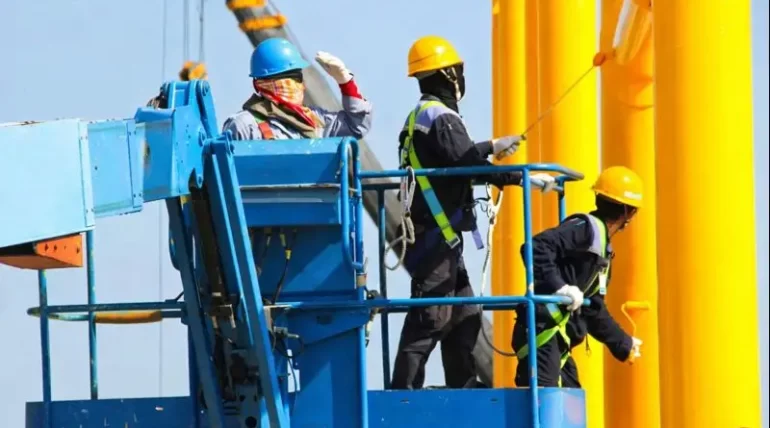
A skilled team at work on scaffolding and lifts – ask your industrial painting contractors company about their crew and on-site supervision to ensure safety and consistency.
- Detailed Quote: Should spell out every step and cost (prep, coats, cleanup). If it’s vague, demand clarification.
- Don’t Pick Cheap Alone: Avoid quotes that seem ridiculously low. A modest price difference often reflects real differences in quality and service.
- Team vs Subcontract: Find out if the company uses its own team or subcontractors. In-house crews usually mean better quality control.
- Communication: Are they easy to talk to? Professional companies should answer calls and emails quickly and with a positive attitude.
Local Conditions, Materials and Environmental Compliance
Sydney’s climate throws extra hurdles into the mix. It’s not just rain – the Harbour City bakes under relentless UV and salty onshore winds. These factors can quickly fade and damage ordinary paint. A local painting guide notes that “strong sun and heat… fade and crack paint, while coastal humidity and salt air cause corrosion”.
So when talking to contractors, ask about the specific coatings and warranties they use for Sydney conditions. Good industrial painters will specify rugged, protective coatings (like marine-grade epoxy or Dulux metal primers) that can shrug off sun and salt. Think of it like asking for SPF 50+ sunscreen for your building.
Also consider environmental compliance: in NSW, handling hazardous materials (lead, chemicals) requires special procedures. For example, Sydney contractors often highlight their ability to safely remove old lead paint with approved methods.
Check that they dispose of waste properly and follow all local regulations. This not only avoids fines, but shows they’re thorough. Lastly, if sustainability matters to you, ask if they offer low-VOC paints or recycling for scrap materials. An industrial painting pro in Sydney should care about all of this — it’s part of the expertise you’re paying for.
Hiring Checklist: What to Verify
| What to Check | Why It Matters |
| Licences & Insurance | Legally required for jobs above $5k in NSW. Ensures accidents or damages are covered. |
| Industrial Experience | Verifies they can handle large-scale projects like tanks, plants and bridges. More experience means fewer surprises. |
| Safety Protocols | Look for White Card, SWMS and on-site supervisors. Proper safety training prevents costly accidents. |
| Quality Materials | Premium coatings (epoxy, marine-grade paints) last longer in harsh climates. Cheaper paints often peel sooner. |
| Detailed Quote | Lists all tasks (prep, coats, cleanup) so you know exactly what you’re paying for. Avoid vague estimates. |
| References & Reviews | Good reviews and references signal trust; previous clients can vouch for workmanship. |
| Communication | Fast, clear responses show professionalism. A team that listens will also keep you in the loop. |
Conclusion: Hiring the Right Industrial Painting Contractors Company
Hiring the perfect industrial painting contractors company in Sydney takes a bit of research, but it’s worth every brushstroke. By defining your project clearly, vetting experience and licences, and comparing detailed quotes, you’ll avoid headaches and extra costs later on. Remember: the cheapest quote isn’t always best, and safety or legal shortcuts can cost you.
Instead, look for the contractor who meets all the checks we covered – solid credentials, great reviews, and a clear plan. That way you’ll get a durable, high-quality finish even under Sydney’s harsh weather. When you know what questions to ask and what answers to demand, you can hire confidently. Now go on – grab your checklist and start calling around. With the right team on the job, your industrial facility will be looking its best in no time. Good luck, and happy painting!
FAQ
What should I look for when choosing an industrial painting contractors company?
Ensure your industrial painting contractors company has NSW painting licences (required for jobs >$5k) and insurance. Ask about safety training, similar project experience, and insist on a detailed quote.
Do industrial painting contractors companies in Sydney need a licence?
Yes. In NSW, any painting work over $5,000 (including labour and materials) requires a licensed contractor. Always verify their licence and qualifications before hiring.
How much do industrial painters charge in Sydney?
Rates vary, but Sydney industrial painters typically charge around $40–$50 per hour depending on experience. Always get a detailed quote that includes preparation, materials and labour.