
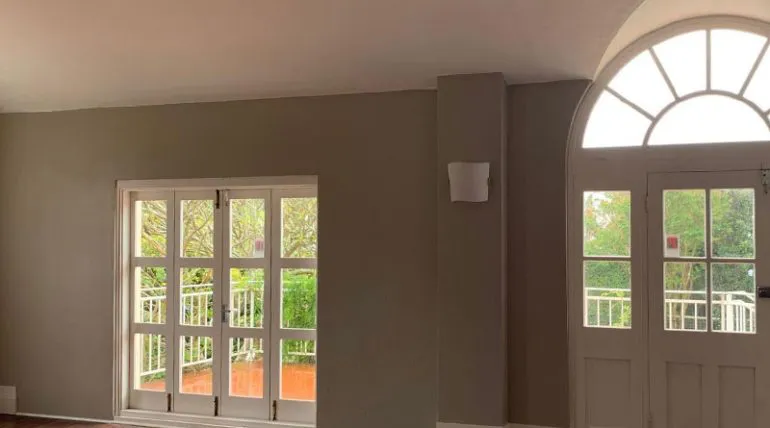
Imagine your living room walls, freshly stripped and ready for a new coat of color. Indoor house painting can give your home a whole new vibe, but it’s the kind of job that asks: Do I do it myself, or hire a professional?
The choice isn’t just about saving a few dollars. It involves time, skill, safety, and even the quality of your finish. We’ll walk through everything you need to make the right call. From cost breakdowns and expert tips, to trendy Aussie colour palettes and safety advice, we’ve got your indoor painting project covered – whether you grab the roller or the phone to dial up a painter.
Roll Up Your Sleeves: The DIY Indoor House Painting Experience
Tackling indoor house painting yourself can be rewarding. You have creative control, set your schedule, and save on labour. A weekend warrior can handle a single room without breaking the bank.
For example, basic painting tools (rollers, brushes, tarps, tape) might cost around $400–$500. Quality paint itself is about $30–$45 per litre. In a small bedroom, you might only need a couple of tins. Doing it yourself means no labour charges – your main costs are supplies and time.
However, DIY isn’t all smooth sailing. Even with a prepped space, painting takes longer than expected. Prep is key: filling holes, sanding rough spots, and taping trim can be tedious. Many DIYers are surprised to spend days – or even weeks – on an entire house.
And if you miss a step (say, skimping on primer) the finish may look patchy later. Beginners often paint themselves into corners: drips, uneven coverage, or bleed-through on bold colours are common rookie mistakes. As one painter put it, “Preparation is everything for a quality finish”. It turns out, half a day spent taping off skirting boards can save you from the nerves of a messy edge.
Pros of DIY Indoor Painting:
- Lower out-of-pocket cost (just materials and time, no labour fee).
- Flexibility to stop and start on your own schedule.
- Satisfaction of doing it yourself (you can proudly say “I did that!”).
Cons of DIY:
- Time-consuming (one person can only cover so much per day).
- Quality might be uneven if you lack experience or proper equipment.
- Risk of mistakes: a painted ceiling drip or a roller hairs left behind.
- Physical strain (kneeling, reaching high ceilings, cleaning).
If you love weekend projects, have some painting talent or help, and your walls aren’t too tricky, DIY can be doable. Just remember you’re trading money savings for hours (and sweat) of work.
Why Hiring Professional Painters Pays Off
Professional painters come equipped for the job. They know their trade – from the best way to cut in along the ceiling line, to choosing the right primer for a tricky surface. If you hire a licensed painter in Sydney, you get speed, skill and a near-guaranteed smooth finish.
A painter’s hourly rate in Australia is typically around $65–$95. On a whole-house job, that adds up, but remember it includes their labour, expertise and insurance. In NSW, painting jobs over $5,000 (materials + labour) must be done by a licensed contractor – so hiring a qualified pro means you’re covered by the law and trades standards.
One big advantage of professionals is time. What would take you a weekend, a crew can finish in a day or two. They have the right tools (scaffoldings for high ceilings, special rollers, sprayers) and even do the messy prep for you.
Plus, pros often stand behind their work – many offer warranties (e.g. 5-year guarantee on interior painting) for peace of mind. You’ll pay more up front: local paints and labour can bring indoor painting to roughly $15–$40 per square metre, meaning a three-bedroom house might run $5,000–$10,000 just for labor and materials. But you’ll avoid headaches and do-overs from a job half-done or botched edges.
Why hire a professional:
- Quality and speed: Pros paint faster and cleaner with fewer runs or thin spots.
- Expertise: They prep surfaces properly (fill cracks, sand, prime) which DIYers might underplay.
- Safety and regulation: Licensed painters are trained to spot hazards (like old lead paint or asbestos). In NSW, jobs over a threshold require licensing, so you won’t inadvertently break rules.
- Tools and efficiency: Pros often use commercial-grade equipment (like heavy-duty sprayers and pumps) that speed up work.
- Warranty and insurance: If something goes wrong (and it shouldn’t), a pro’s insurance and warranty have you covered.
Cons of hiring a pro:
- Cost: Upfront it’s pricier – you’re paying for labor on top of materials.
- Less control: You have to coordinate schedules and trust someone else with your home.
- Finding the right fit: You’ll need to vet quotes, check reviews, and ensure they have a good track record.
If your indoor painting involves multiple rooms or tricky elements (high ceilings, crown moulding, architectural details), a professional’s precision can be worth the investment. As one painter advises: “Don’t just go for the cheapest quote – choose someone who gives you confidence in their work and offers top-notch results”.
Cost Comparison: DIY vs Professional
To put numbers to this, let’s break down expenses. The table below compares key costs and factors for indoor painting whether you DIY or hire a pro:
| Expense / Factor | DIY | Professional |
| Paint & Materials | You buy paint (e.g. $30–$45/L) and tools (~$400–$500). Could reuse brushes/rollers. | Pro includes high-quality paint and materials in the quote (better durability). |
| Time & Labour | Your time: expect weekends (for a couple of rooms) to tackle prepping and painting. | Crew’s time: faster; e.g. 2-3 painters may finish a whole 3-bedroom in a day or two. |
| Quality of Finish | Variable. Even carefully done DIY may have light roller marks or uneven coats. | Smooth, even coats, crisp lines. Pros patch perfectly and may use multiple coats where needed. |
| Prep Work | You’ll do all prep (cleaning walls, filling holes, sanding). This can easily double your project time. | They handle prep expertly (strip old paint if needed, fill, sand). Good prep means long-lasting results. |
| Equipment | You provide: brushes, rollers, trays, ladders, drop sheets. For high areas you might need to rent scaffolding. | They supply professional gear (commercial ladders, spray equipment, scaffolding). Speeds up job. |
| Cleaning & Safety | You must clean up paint spills, properly ventilate yourself. Risks: allergic reaction to fumes, paint splatters, ladder falls. | Painters follow safety protocols (ventilation, proper masks). They clean up and dispose of leftover paint safely. |
| Overall Cost (3-bed house) | ~$2,500–$3,000 (assuming you buy mid-range paint, do it yourself). | ~$5,000–$10,000 (local Sydney prices). Quote example: ~10k for walls, ceiling & trims in a 3-bedroom. |
Note: Actual prices vary by size, paint quality, and scope. For example, a 3×2 Perth home was painted DIY for $2.5k (with $2500 in paint/tools). In Sydney, one renovator reported a $10k quote for walls/ceilings in a 3BR house. Industry sources suggest typical interior painting costs about $15–$40/m², or around $8,500 for a 3-bed house.
From the table, the decision often comes down to how you value your own time and skill. If budgeting tightly, DIY may save you thousands, but if precision and speed matter more, paying for pros will be worth it.
Tools, Prep and Painting Tips
Before picking up a roller, plan properly. Even professionals follow the same basic steps – skipped steps are where DIYers often slip up. Here’s a quick rundown:
Clear and Protect: Move furniture out or cover it. Lay down tarps or old sheets to catch drips. Tape off edges (skirting boards, door frames, sockets) with painter’s tape.
Prep Surfaces: Clean walls (a sugar-soap solution can remove grease or grime). Fill holes and cracks with spackling or filler, then sand smooth once dry. If walls have glossy paint, sand lightly so the new coat grips.
Prime (if needed): Primer is like a bonding agent. Use it on bare plaster, heavily patched areas, or stained spots (watermarks, nicotine, etc.). This prevents blotchy colour.
Use the Right Tools: A 3–4” angled brush is great for “cutting in” (painting edges). A good roller (or two) with appropriate nap covers large areas faster. Invest in a sturdy ladder or adjustable pole extender for high spots.
Paint Order: Many pros paint the ceiling first (clean roll job, then cut in walls), so you don’t drip on fresh wall paint. Then walls, then trim last.
Two Coats: Most new paint jobs need at least two coats (especially if going from dark to light). Plan drying time – a quick-dry primer can speed things up.
Ventilate & Ventilate: Open windows when painting indoors, use a fan if possible. This helps fumes escape and paint dry. Take breaks in fresh air.
These steps may seem tedious, but they are where true quality lies. Skipping proper sanding or jumping straight to paint often means a less-than-smooth result. As one experienced painter warns DIYers: “If the preparation is not up to scratch, you are going to see the results after a year or so”.
Safety First: Health & Regulations
Whether you DIY or hire, safety is key. Paint fumes contain volatile organic compounds (VOCs), so good ventilation is a must. Keep windows open and consider a mask – especially if using oil-based paints or large surfaces. Water-based (latex) paints, common indoors, are lower in toxic fumes, but anything with a strong odor benefits from airflow.
Indoor painting also has more household hazards: watch out for ladders (pro tip: always face the ladder when painting up high and don’t overreach). Cover floors to avoid slips. Have a plan for disposing leftover paint – in Sydney there are councils and recycling programs for house paint to avoid just pouring it down drains.
If you live in an older home (pre-1990s), be aware of lead-based paint (banned in Australian homes after 1970, but older layers can persist). DIY folks should research this or hire a pro who knows to test for lead or asbestos before sanding. The Painters Institute warns that qualified painters are trained to identify lead or asbestos, and that unqualified trades may inadvertently expose your family to risk.
On the compliance side, remember in NSW: any painting work over $5,000 (incl. materials) requires a licensed painter. That’s why many large indoor jobs come with formal quotes. Hiring someone without a licence for a big job could put you on the wrong side of regulations (and mean no recourse if things go south). Always verify a professional’s credentials if you go that route.
For DIY painters: reading a quick online guide (or even better, watching a video) can help. Some are surprised at how much prep or how long paint needs to dry. And yes, indoor painting is messy – drop sheets and patience will be your friends.
Style & Trends: Picking Colours
One fun part of indoor painting is choosing a new look. Sydney’s 2026 trends lean warm and earthy: think soft terracottas, dusty lavender, leafy greens and warm neutrals. Dulux and design blogs say cool greys are “out”, with homes favouring baked clay, olive, mustard, and rich burgundies.
Accent walls are popular – one wall in a lounge painted a deep wine-red or sage green can add drama without overwhelming the room. If you DIY, tackling just one feature wall might be a great starter project (and you only buy one extra tint of paint).
Pro tip: Always test a swatch on the wall (paint a 50 cm patch and live with it a night). Light in Sydney apartments can shift the look. A professional colour consultant (often offered by painting companies) can help you avoid regret.
But if you enjoy experimenting, DIY lets you try a quirky colour and repaint if you change your mind. Just remember: bold colours may need more coats to look even, and mistakes show more, so be extra careful with edges.
In short, let your personal style guide your colour choices. And whether DIY or hired, choosing a safe, neutral base with one or two accent colours is a trend-savvy move that keeps walls feeling fresh yet classic.
When to DIY vs Hire: Making the Choice
So when is indoor house painting worth doing yourself, and when is it time to call the pros? Here are some scenarios:
Small, simple jobs: A single bedroom or nursery, an accent wall, or a rental apartment you leave soon – these can be DIY winners. You’ll save cash and get hands-on satisfaction.
Tight budget: DIY can stretch a dollar. If you have time and don’t mind the sweat equity, you might happily spend only on materials.
Learning curve and tools: If you already have painting gear and confidence, DIY is easier. But if even buying brushes is a chore, pros can supply everything.
Conversely:
Whole-house or multiple rooms: Painting many rooms usually means inconsistent walls if left to amateurs. A pro crew can crank through efficiently.
High ceilings or tricky architecture: If you need scaffolding or special ladders (or you’re just not good on ladders), pros have the equipment and training.
Time-poor or perfection-focused: If you don’t want to spend months on a project, hire out. Pros finish faster and often more neatly.
Resale or rental: If you plan to sell/rent soon, a professionally painted house can look more appealing and justify a slightly higher asking price.
Health/safety concerns: For households with kids, asthmatics, or pets, hiring ensures proper handling of fumes and quick cleanup.
Remember, too: professional indoor painting often comes with a guarantee. If a wall shows wear or peels prematurely, a licensed painter may come fix it (some offer 2-5 year warranties). With DIY, any touch-ups are on you.
Choosing a Painter
If you decide to hire, do your homework. Get multiple quotes (aim for at least 3) so you can compare like-for-like. Ask each painter:
- License and insurance: A credible NSW painter should hold a valid contractor’s license for jobs over $5K and have public liability insurance.
- Portfolio and references: Do they have before/after photos or happy customer reviews? A reputable painter often has testimonials or a gallery of recent work.
- Written quote breakdown: Look for details on labour, paint type/brands, number of coats, prep included. Beware of vague quotes – that’s how surprise costs hide.
- Time estimates: A schedule of how long the job will take and start/end dates.
- Colour consulting: Some offer colour advice (a nice bonus if you’re unsure).
One seasoned painter recommends not just choosing the cheapest bidder, but the one who seems most thorough and trustworthy. Cheap quotes might cut corners (literally!). And if you’re in Sydney, consider painters with a local reputation – word of mouth or community forums (like local Facebook groups or product review sites) can hint at who delivers high quality.
Conclusion
Indoor house painting can transform your Sydney home, whether you wield the roller or hand it to a seasoned pro. DIY projects let you save money and brag rights, but take patience and elbow grease. A professional will spend more dollars but often much less time and stress. Consider your budget, timeframe, and skill. If you do go DIY, prep meticulously and invest in decent tools. If you hire, interview painters well and ensure they’re licensed.
Ready to refresh your walls? Measure a sample room, compare paint quotes, or buy your first $40 roller kit, and envision those fresh colours coming to life. Join the conversation: drop a comment about your painting story or tips. Your walls (and your bank account!) will thank you either way.
FAQs
Can I save money by doing indoor house painting myself?
Absolutely. DIY eliminates labour costs. You’ll mainly pay for paint, brushes and your own time. Gear might set you back a few hundred dollars, but it’s cheaper than paying a crew.
How much does it cost to hire a painter in Sydney?
Pro painters typically charge $15–$40 per m² for interiors, including materials. A 3-bedroom house interior can range from about $5K to $10K, depending on size and paint quality.
What prep do I need before painting a room?
Remove or cover furniture, clean walls (dust and grease off!), fill and sand cracks, and tape off trim/fixtures. Good prep (priming, filling holes) is 80% of a great paint job. Don’t skip it!
Are low-VOC paints worth it for indoor painting?
Yes. Low- or zero-VOC paints have fewer fumes and are safer for indoor air quality. They still cover well and are kinder to your lungs and the environment, especially in Sydney’s well-ventilated homes.
How long does indoor house painting take?
As a DIYer, a single medium room might take 2–3 days (clean/prime day, two coats next day). Pros with a crew might do that room in a single day. A whole house can be a weekend DIY or 2–3 days for a pro crew.