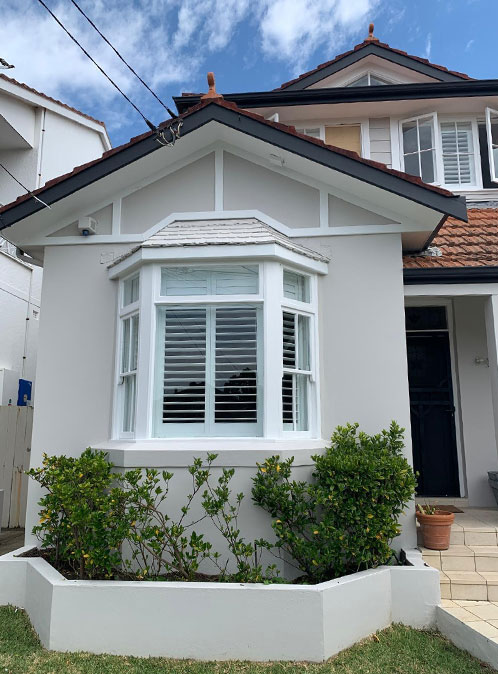
Indoor House Painters

A fresh coat of paint does something strange in a good way. Rooms feel bigger, cleaner, and calmer. Even the light looks better. In a city like Sydney, where design trends shift fast and living spaces matter more than ever, indoor house painters aren’t just maintaining walls they’re helping create that sense of reset.

Indoor House Painters aren’t just tradies with rollers. They’re part technician, part stylist. From coastal apartments in Bondi to modern homes in Parramatta, the difference between an average job and a sharp, magazine-worthy finish often comes down to process.

There’s a noticeable gap between what gets promised and what actually holds up. Some finishes look perfect for a few weeks, then start revealing uneven absorption, faint roller marks, or patchy tones near windows. That’s where experienced Indoor House Painters tend to stand apart; they anticipate issues before they show up.

This guide breaks down the real process, not the polished version often sold in quotes. It leans into practical experience, small oversights, and the kind of decisions that quietly shape long-term results.

Planning a paint job that holds up well over time

A paint job that lasts doesn’t start with color charts; it starts with restraint. Many homeowners rush into shades that look great under showroom lighting but behave differently in real rooms. Sydney light is harsh and honest. What feels warm in a catalog can turn dull or yellow by mid-afternoon. Experienced Indoor House Painters often pause clients here, not to slow things down, but to avoid regret baked into every wall.

There’s also the matter of scope creep. A quick stain quietly grows into ceilings, trims, doors, and sometimes wardrobes. That expansion hits budgets harder than expected. Labour is often the highest cost, not the paint itself. The difference between painting walls only and doing a full interior reset can double the cost without warning if it isn’t defined early.

Then comes timing, which rarely behaves politely. Drying times stretch in humid weather, especially in older Sydney homes with limited airflow. Rushing between coats might save a day upfront but often leads to peeling or uneven finishes later. Indoor House Painters who’ve been around long enough rarely promise speed; they promise consistency.

Choosing Indoor House Painters with real skill

Finding capable Indoor House Painters is less about glossy websites and more about subtle signals. Clean lines around trims, consistent roller texture, and how corners are handled say more than any portfolio gallery. Poor workmanship usually hides in edges, not in large flat walls, where mistakes are easier to mask.

There’s a quiet difference between painters who get it done and those who understand surfaces. Older Sydney properties often have layers of previous paint, sometimes oil-based under acrylic. Without proper preparation, new coats don’t bond well. That’s where less experienced Indoor House Painters cut corners, and the results show within months.

Pricing also tells a story, though not always the obvious one. The cheapest quote often excludes prep work, which is where most of the effort actually sits. Skilled Indoor House Painters price preparation honestly because they know it determines the outcome. A slightly higher quote often means fewer problems later, even if that isn’t obvious at first glance.

Surface preparation that most people underestimate

 Indoor House Painters sydney

Preparation has a reputation for being boring, which is probably why it gets ignored. But ask any seasoned Indoor House Painters, and they’ll point to prep as the real job. Cleaning walls sounds simple until grease, dust, and invisible residues start rejecting paint in strange ways.

Sanding is another step that people underestimate. It’s not just about smoothing rough patches; it creates a surface that paint can grip. Skipping this step can lead to that slightly tacky feel even weeks after completion. It’s subtle, but once noticed, it becomes impossible to ignore.

Then there’s patching. Cracks and dents don’t just disappear under paint; they often become more visible. The irony is that a fresh coat can highlight imperfections rather than hide them. Experienced Indoor House Painters spend more time fixing walls than painting them, even though clients rarely see that part.

Paint types, finishes, and their trade-offs explained

Paint selection isn’t just about color; it’s about behavior over time. Matte finishes look elegant and soft, but they mark easily. In busy households, especially with pets or kids, that softness becomes a maintenance issue. Indoor House Painters often steer clients toward eggshell or satin for balance.

Kitchens and bathrooms introduce another layer of complexity. Moisture changes everything. Standard paints can blister or develop mildew if the formulation isn’t right. Anti-mold paints cost more upfront, but skipping them usually means repainting sooner than expected.

There’s always a bit of a debate between premium and mid-range paints. High-end stuff usually covers better, so you might only need two coats instead of three, which can actually save you money in the long run. That said, not every wall needs the gold standard. A seasoned Indoor House Painter will pick the right tool for the job based on the wall’s condition, not just the brand name.

Cost of Indoor House Painters in Sydney

Property Type Estimated Cost (AUD)
1-bedroom apartment $2,000 – $4,000
2-bedroom unit $3,500 – $6,500
3-bedroom house $6,000 – $10,000

Higher-end finishes and detailed work can increase costs. However, quality work reduces maintenance expenses over time.

The painting process from the first coat to the finish

Once the rollers come out, the work looks straightforward, but there’s a rhythm to it. Cutting in around edges requires a steady hand and patience. Rushing this stage creates uneven borders that stand out under certain lighting conditions. Skilled Indoor House Painters treat edges as the backbone of the finish.

Rolling large surfaces comes with its own challenges. Overloading the roller leaves drips, while too little paint creates patchiness. Achieving that even, slightly textured finish takes practice. It’s not something that improves quickly without repetition.

Drying time is where you really need some discipline. If you rush that second coat, you’re just trapping moisture underneath, which is a recipe for disaster later on. Good Indoor House Painters aren’t afraid to tweak the schedule if the weather gets humid; they’d rather wait for the right conditions than stick blindly to a deadline.

Cost realities of interior painting in Sydney homes

Costs for Indoor House Painters in Sydney can feel unpredictable, and in many ways, they are. A small apartment with clean walls might be straightforward, while a similar-sized space with damage, stains, or poor previous work can take twice the effort.

Labour dominates pricing. Paint itself might account for only a fraction of the total bill. That’s why quotes can vary so widely between contractors. The difference usually lies in how much prep work is included, even if it isn’t clearly stated.

Then there’s the life disruption actor. You’ve got furniture in the middle of the room, spaces you can’t use, and your whole routine is out of whack. That stuff doesn’t show up on the bill, but it’s a huge part of the experience. Experienced Indoor House Painters do their best to stay out of your way, even though a bit of chaos is pretty much guaranteed.

Common mistakes that ruin otherwise good paint jobs

One of the most frequent mistakes is choosing colour in isolation. Lighting, flooring, and furniture all interact with paint in ways that aren’t obvious at first. Many homeowners commit to a shade too early, only to realise it clashes once applied.

Another issue is underestimating drying and curing time. A wall might feel dry to the touch within hours, but that doesn’t mean it’s fully cured. Moving furniture back too soon can leave marks that don’t disappear.

Perhaps the biggest mistake is treating painting as purely cosmetic. Indoor House Painters understand that paint also protects surfaces. Skipping steps like priming or sealing might not show immediately, but problems tend to surface later, often at inconvenient times.

Common Mistakes to Avoid

Even small missteps can ruin the outcome.

  • Skipping primer
  • Using low-quality paint
  • Painting over dirty surfaces
  • Ignoring drying times

Indoor house painting demands attention to detail.

Interior painting trends are transforming Sydney homes.

Sydney homes are moving away from that hospital-white look toward warmer, more grounded vibes. People are gravitating toward colors that feel comfortable and lived-in. Lately, I’ve seen Indoor House Painters working a lot with soft greys, muted greens, and those nice, earthy neutrals that make a space feel cozy.

Feature walls haven’t disappeared, but they’ve evolved, often incorporating specialized finishes that must be applied according to Painting and coating safety guidelines. Instead of bold contrasts, there’s a move toward subtle variation, different shades within the same color family. It creates depth without overwhelming the space.

Texture is slowly making a comeback, too. It’s not as wild as the old-school styles, but a bit of variation in the finish adds some real character to a room. Skilled Indoor House Painters know how to use these tricks sparingly; sometimes a little restraint goes a long way in making a room look high-end rather than overdone.

Maintaining painted walls without constant touch-ups

A fresh coat won’t look brand new forever, but a bit of TLC makes a big difference. Giving the walls a gentle clean helps, but you have to be careful. If you go at a matte wall with a scrub brush, you’re just going to ruin the finish.

Small touch-ups are inevitable, but they rarely blend perfectly unless the original paint is stored and mixed properly. Even then, factors like aging and light exposure can create slight differences.

Long-term durability often comes back to the initial work. Indoor House Painters who invest time in preparation and proper application create finishes that age more gracefully. Maintenance becomes easier when the foundation is solid.

Conclusion 

Indoor house painters do more than just slap on some color; they really set the mood of the whole house. A clean, professional finish brings everything into balance and just makes the place feel more refined. It’s one of the easiest ways to bump up the value of a Sydney home while making it a lot nicer to live in.

Whether it’s a quick refresh or a complete interior transformation, the process and precision make all the difference. A clean, professional finish changes everything. Get in touch to get a tailored quote and connect with a trusted painter who delivers lasting results.

FAQs

1. How long does indoor house painting take in Sydney?

You’re usually looking at 2 to 7 days, depending on how big the place is and what shape the walls are in. A small apartment is a quick job, but a big family home needs more prep and detail work. Plus, Sydney’s humidity can sometimes slow down the drying time between coats.

2. How often should interior walls be repainted?

Most interior walls need a refresh every 5 to 7 years. Hallways and kitchens usually need it sooner because they take more of a beating. If you use good paint and do the prep right, that polished look is going to stay fresh for a lot longer.

3. What is the best paint finish for house interior painting?

Satin and matte are the most popular choices for interiors. Matte is great for hiding imperfections in bedrooms, while satin is tough enough for busy living areas. For doors and trims, you really want a gloss, which handles the constant touching and scuffs much better.

Categories: House Painting