
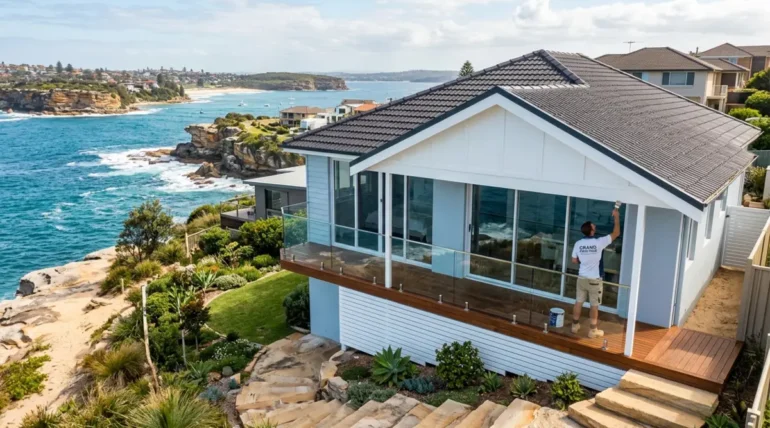
A fresh coat of paint can do something surprisingly powerful. It can make a tired room feel bigger, brighten a dark hallway and give an older Sydney home a completely different personality. But the big question remains: how often should you repaint your house in Sydney?
There isn’t one magic number that works for every home. I look at repainting more like servicing a car. You don’t wait for the engine to fall apart before checking it, and you shouldn’t wait for your walls to look genuinely miserable before giving them attention.
Sydney homes also deal with plenty of character-building conditions. Strong sunlight, humidity, coastal air, everyday scuffs and busy family life can all affect how quickly a painted surface loses its charm. If you’re considering when to Repaint Your House in Sydney, the room, surface, paint quality and level of use all deserve a closer look.
How Often Should You Repaint Your House in Sydney?
As a general guide, most homeowners can expect interior walls to need repainting every 5–10 years, while some high-use rooms may need attention sooner. Exterior surfaces often require repainting around 5–10 years, although Sydney’s sun, rain and coastal conditions can shorten that window.
I wouldn’t treat these figures as a strict calendar appointment, though. Your walls will tell you when they need help.
Here’s a practical starting point:
| Area | Typical Repainting Interval | Why It Changes |
| Living room | 5–7 years | Traffic, furniture marks and sunlight |
| Bedrooms | 7–10 years | Usually lower daily wear |
| Kitchen | 3–5 years | Grease, moisture and frequent cleaning |
| Bathroom | 3–5 years | Humidity and moisture |
| Hallways | 3–5 years | Heavy foot traffic and fingerprints |
| Ceilings | 7–10 years | Usually less physical contact |
| Doors & trims | 3–5 years | Constant touching and impact |
| Exterior walls | 5–10 years | Sun, rain, wind and coastal exposure |
These ranges give you a useful benchmark, but I always recommend inspecting the actual condition of the surface before deciding.
Why Sydney’s Climate Can Affect Your Painting Schedule
Sydney gives homeowners plenty to love, but your paintwork gets to experience the weather from the front row.
Exterior walls face UV exposure, rain, temperature changes and, in coastal suburbs, salty air. Over time, these conditions can cause fading, chalking, cracking or peeling.
Interior walls face a different battle. Kitchens collect grease and moisture, bathrooms deal with steam, and hallways seem to attract fingerprints with almost suspicious efficiency.
That’s why two houses painted at the same time can need repainting at completely different moments.
If your home sits close to the coast, receives strong afternoon sun or has areas with poor ventilation, you may need to repaint earlier than the standard timeframe.
Room-by-Room Guide: When Should You Repaint?
Now for the useful bit. Rather than treating your entire home as one giant canvas, I prefer to look at each room separately.
1. Living Room: Around Every 5–7 Years
The living room usually sits somewhere in the middle.
It gets plenty of use, but it doesn’t experience the same punishment as a kitchen or hallway. Furniture rubs against walls, children may leave fingerprints behind, and sunlight can gradually change the appearance of certain colours.
If your living room still looks fresh after five years, there’s no need to repaint simply because the calendar says so.
However, consider repainting when you notice:
- Faded or uneven colour
- Visible scuff marks
- Small cracks or patched areas
- Stains that cleaning no longer removes
- Paint that looks dull under natural light
A modern neutral shade can also give your living room an instant style update without requiring a full renovation.
2. Bedrooms: Around Every 7–10 Years
Bedrooms generally enjoy an easier life.
There’s less foot traffic, fewer accidental knocks and usually less surface contamination. As a result, a quality bedroom paint job can last considerably longer.
I’d inspect bedrooms every few years rather than automatically scheduling a repaint.
You might want to repaint sooner if you’re changing the room’s purpose, updating furniture or simply feeling that your once-loved colour now belongs firmly in another decade.
A soft neutral, warm white, muted green or understated blue can create a calm, contemporary feel without making the room look like a showroom.
3. Kitchen: Around Every 3–5 Years
The kitchen works hard. It cooks, cleans, hosts, spills and occasionally witnesses the dramatic disappearance of an entire cake.
Naturally, the walls take some punishment.
Steam, cooking oils, food splashes and regular cleaning can gradually wear down paint. That’s why I generally recommend checking kitchen walls every three to five years.
Look particularly closely around:
- Cooking areas
- Splash-prone walls
- Behind benches
- Near sinks
- Areas with poor ventilation
For kitchens, I’d prioritise a durable, washable finish. You want a surface that can handle regular cleaning without losing its appearance too quickly.
4. Bathroom: Around Every 3–5 Years
Bathrooms need a slightly different approach because moisture is the main character.
Constant steam and humidity can eventually contribute to peeling, bubbling, mildew or surface deterioration, particularly when ventilation isn’t doing its job.
If you notice dark marks, peeling corners or paint that feels soft or damaged, don’t simply paint over the problem. Find out why the moisture is getting there first.
Good ventilation, proper preparation and suitable bathroom paint can significantly improve the life of the finish.
5. Hallways and Entryways: Around Every 3–5 Years
Hallways deserve more respect than they usually receive.
They connect the whole house, yet they often collect more marks than almost anywhere else. Bags, shoes, furniture, pets, children and moving boxes can all leave evidence behind.
If your hallway looks tired while the rest of your house still looks fresh, you don’t necessarily need a full-home repaint.
A targeted repaint can make the property feel considerably cleaner without turning the project into a major production.
6. Ceilings: Around Every 7–10 Years
Ceilings generally last longer because nobody walks past them rubbing their hands against the surface.
Still, ceilings can develop stains, discolouration and signs of moisture. Kitchens and bathrooms deserve particular attention.
If you notice a water stain, don’t just cover it with white paint and hope for the best. Find the source first. Otherwise, that suspicious brown patch may make a comeback like a television villain nobody asked for.
What About Doors, Skirting Boards and Trim?
Walls aren’t the only surfaces that need attention.
Doors, skirting boards, architraves and window trims experience plenty of physical contact. Door handles, shoes, vacuum cleaners and furniture can gradually chip or mark these areas.
I often recommend inspecting trims every 3–5 years, especially in busy homes.
You can also refresh these features separately. Crisp white trims against a carefully selected wall colour can make a room look sharper without repainting every surface.
Signs You Should Repaint Before the Usual Timeline
Sometimes your house refuses to follow the schedule.
If you spot any of these signs, I’d investigate sooner rather than later:
- Peeling or flaking paint – This can indicate ageing paint, poor adhesion or moisture.
- Fading – Strong sunlight can gradually change exterior and interior colours.
- Cracking – Small cracks may appear with age or movement, but larger cracks deserve proper attention.
- Persistent stains – If cleaning no longer works, repainting may provide a cleaner finish.
- Chalking – Powdery exterior paint can indicate weathering.
- Mould or mildew – Find and address the moisture problem before repainting.
- Patchy colour – Repairs or years of touch-ups can create an uneven appearance.
- Outdated colours – Sometimes the paint isn’t damaged; your taste simply moved on.
For older homes, I also take extra care with existing coatings. NSW Government guidance highlights the need for care when renovating painted surfaces where lead-based paint may be present, particularly when old coatings require disturbance or removal.
Should You Repaint the Whole House or One Room at a Time?
This depends on your goals.
If only your kitchen and hallway look tired, repainting those areas can make perfect sense. You save money, reduce disruption and deal with the areas that actually need attention.
On the other hand, repainting the whole house can create a much more consistent look. This approach makes sense when:
- You’re preparing to sell
- You’ve recently renovated
- Several rooms have different outdated colours
- The existing paintwork has widespread wear
- You want a complete style refresh
If you decide to repaint your house in Sydney room by room, I’d start with the spaces showing the most wear rather than automatically following the floor plan.
How to Make Your Paint Last Longer
Good paint matters, but preparation matters just as much.
Before repainting, I recommend:
- Cleaning walls properly
- Filling dents and small holes
- Sanding rough areas
- Addressing moisture problems
- Using primer where the surface requires it
- Choosing a finish suited to the room
- Using quality interior or exterior paint
- Allowing adequate drying time
- Keeping rooms properly ventilated
For exterior work, timing also matters. Painting during unsuitable weather can compromise the finish, so I always consider the forecast before starting an outdoor project.
A properly prepared surface gives your new coating a much better chance of staying attractive for years.
How Much Does Repainting a Sydney House Cost?
The cost depends heavily on property size, number of rooms, surface condition, paint quality, access and preparation requirements.
A small refresh involving two or three rooms will naturally cost less than a complete interior and exterior repaint.
Rather than choosing a painter based purely on the cheapest quote, I’d compare:
- Preparation included in the quote
- Number of coats
- Paint brand and product range
- Repairs included
- Labour
- Furniture protection
- Cleanup
- Warranty or workmanship guarantee
A bargain quote can look attractive until you discover that the preparation was basically “good luck and Godspeed”.
A Simple Repainting Schedule for Sydney Homeowners
If you want an easy maintenance plan, use this as your starting point:
Every year: Walk through the house and check for peeling, cracks, stains, fading and moisture.
Every 3–5 years: Inspect kitchens, bathrooms, hallways, doors and trims closely.
Every 5–7 years: Review living rooms and other frequently used spaces.
Every 7–10 years: Assess bedrooms, ceilings and lower-use areas.
Every 5–10 years: Inspect exterior paintwork, with coastal and highly exposed homes potentially needing earlier attention.
This approach helps you repaint based on condition rather than blindly following the calendar.
Conclusion
So, how often should you repaint your house in Sydney?
For most homes, interior walls can last around five to ten years, while high-traffic and moisture-prone rooms may need attention much sooner. Exterior surfaces can also last around five to ten years, depending heavily on exposure and maintenance.
The important thing is to look beyond the number.
If your walls are faded, peeling, stained, cracked or simply making your home look older than it really is, that’s your cue. And if you’re planning to repaint your house in Sydney before selling, renovating or simply giving your home a much-needed style reset, professional preparation can make a noticeable difference.
Ready to give your home a cleaner, fresher finish? Get in touch with our team to discuss your painting requirements and find the right approach for your Sydney property.
Frequently Asked Questions
How often should I repaint my house in Sydney?
Most interior walls need repainting every five to ten years, but kitchens, bathrooms and hallways may need repainting every three to five years because they experience more wear.
How often should I repaint the exterior of my Sydney home?
Exterior paint can commonly last around five to ten years, although strong sun, rain, coastal air and the condition of the existing surface can shorten its lifespan.
What rooms need repainting most often?
Kitchens, bathrooms, hallways and entryways generally need repainting more often because they experience moisture, cleaning, traffic and frequent contact.
Can I repaint only one room?
Absolutely. If one room shows significant wear while the rest of your home still looks good, repainting that room can provide a practical and cost-effective refresh.
How do I know if my house needs repainting?
Look for peeling, cracking, fading, stains, chalking, mildew, scuff marks and uneven colour. These signs often indicate that your paintwork needs attention.
Does Sydney’s coastal climate affect exterior paint?
Yes. Coastal homes can experience additional exposure to salty air, wind and moisture. Proper surface preparation and suitable exterior coatings can help improve durability.
Should I paint over old paint?
Sometimes you can, provided the existing coating remains sound and compatible with the new system. However, peeling, flaking, damaged or potentially hazardous coatings need appropriate preparation before repainting.
Is it better to repaint before selling a house?
A fresh, neutral paint scheme can help create a cleaner and more contemporary presentation. It can make rooms feel better maintained and help potential buyers focus on the property’s features rather than worn surfaces.
What is the best time of year to repaint in Sydney?
For exterior work, choose a period with suitable weather and avoid painting during rain or unsuitable temperature and humidity conditions. Interior painting offers more flexibility because you have greater control over the environment.
How can I make my new paint job last longer?
Start with proper preparation, fix underlying problems, choose paint suited to the surface and room, use appropriate primers and finishes, and keep moisture under control. Good maintenance also helps extend the life of the finish.