
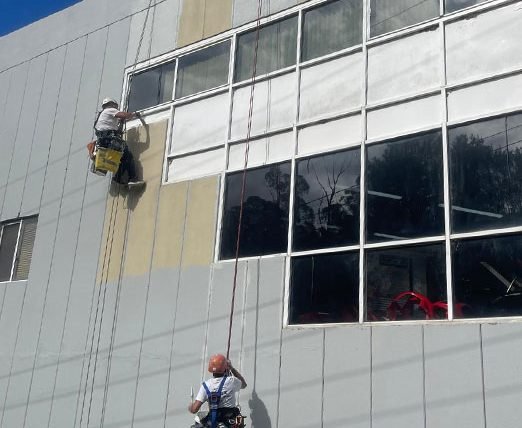
Protecting a home from weather involves far more than choosing the right paint colour. Across Sydney, exterior house painting plays an important role in helping properties withstand coastal salt, intense summer heat, heavy rainfall, humidity, and everyday environmental exposure.
However, weather affects every property differently. A home near the coastline faces different challenges from a property in Western Sydney, while homes surrounded by mature trees often deal with moisture and shade-related issues that can shorten the lifespan of exterior surfaces.
Understanding these environmental pressures is one of the most effective ways to protect a home from weather damage. By tailoring exterior protection strategies to local conditions, homeowners can improve durability, reduce maintenance costs, and preserve long-term property value.
How Sydney Microclimates Affect Exterior House Painting
A home near the coastline experiences a very different environment from that of a property located farther west. Likewise, a house surrounded by mature trees faces different challenges than a modern home on an exposed block.
This is why exterior house painting should be tailored to your property’s specific environment, helping homeowners choose protection strategies that address the environmental conditions affecting their property.
Take a closer look at four common Sydney property environments.
Coastal Properties
Homes in Bondi, Coogee, Manly, and Cronulla benefit from ocean views and cooling breezes. Ocean-facing elevations often show signs of wear first. Homeowners may notice fading around window frames, deterioration on exposed trims, or corrosion around metal fixtures long before other areas of the property.
Western Sydney Homes
Suburbs such as Penrith, Blacktown, and Parramatta face intense summer heat. Western-facing walls often experience the greatest stress because they absorb intense afternoon heat during summer. It is common for these elevations to age faster than other parts of the property.
Tree-Covered Neighbourhoods
Many North Shore and Hills District homes enjoy privacy and greenery. Yet dense vegetation often creates prolonged shade and moisture retention, increasing the likelihood of mould, algae, and surface staining.
Older Established Areas
Inner West properties and heritage-style homes often contain ageing timber elements, older render systems, and original architectural details that require specialised preparation and protection. Understanding which environmental conditions affect your property is the first step towards developing an exterior protection strategy that can withstand long-term weather exposure. For heritage-listed properties, homeowners may need to consider local council requirements before undertaking exterior restoration or painting work.
Hidden Environmental Challenges Across Exterior House Painting Sydney
When people think about Sydney weather, they often focus on coastal exposure. However, many weather-related issues occur far from the ocean.
Exterior house painting Sydney projects increasingly involve challenges linked to modern urban environments and changing development patterns. Today’s homes are often built closer together than in previous decades. While this helps maximise land use, it can create unique environmental conditions.
Some examples include:
- Narrow side passages that trap moisture and limit airflow.
- Reflected heat from neighbouring buildings and hard surfaces.
- Increased shade caused by larger surrounding structures.
- Modern residential developments create wind tunnels.
- Reduced natural drying after rainfall.
A wall that receives little sunlight may remain damp long after rain has stopped. Over time, this can contribute to coating deterioration and biological growth. Similarly, highly reflective surfaces such as glass fencing, light-coloured paving, and neighbouring windows can increase localised heat exposure in specific areas of a home.
These factors are often overlooked because they are not traditional weather events. However, they can significantly influence how exterior surfaces perform over time. This is why exterior house painting strategies should consider the surrounding environment as carefully as the weather itself. Addressing these environmental pressures before visible damage appears can significantly improve the lifespan of exterior surfaces.
Exterior Home Painting And Modern Design Trends
Over the past decade, Sydney’s residential architecture has evolved considerably. Contemporary homes often prioritise clean lines, striking façades, and seamless indoor-outdoor living.
While visually impressive, many of these trends create new maintenance considerations. Exterior home painting projects must now account for design features that were far less common in previous generations of housing.
One notable trend is the growing popularity of dark exterior colour schemes. Charcoal, deep grey, and black façades continue to dominate modern residential design. These colours deliver a sophisticated appearance but absorb significantly more heat than lighter alternatives.
As temperatures rise, exterior materials expand. As temperatures fall, they contract. Repeated movement can place additional stress on coatings and surface materials.
This shift has encouraged greater interest in durable coating systems designed to perform well under Sydney’s diverse environmental conditions. As a result, exterior house painting now involves balancing architectural style with long-term weather protection.
What Exterior Painters Notice First
One of the most valuable aspects of working with experienced exterior painters is their ability to identify issues that may otherwise go unnoticed. Many weather-related problems begin in locations homeowners rarely inspect.
Common examples include:
- Hairline cracks around rendered extensions.
- Moisture build-up behind climbing plants and vines.
- Early signs of timber movement near windows and doors.
- Surface deterioration beneath overflowing gutters.
- Failing sealants around joints and penetrations.
These issues often develop gradually. By the time paint begins peeling or discolouration becomes obvious, the underlying problem may have existed for months or even years.
Professional inspections help identify vulnerabilities early, reducing the risk of costly repairs later. In many cases, a successful exterior house painting project begins with uncovering these hidden issues before any surface preparation starts. Early detection and repair of minor issues is one of the most effective ways to protect a home from long-term weather damage.
How Surroundings Influence Exterior Performance
Dense hedges, mature trees, retaining walls, swimming pools, and climbing plants can all affect the environment around a property. While these features improve privacy and outdoor appeal, they may also reduce airflow, increase humidity, and create conditions that accelerate weather-related deterioration.
For example, a wall positioned behind a mature hedge may remain damp far longer than an exposed wall nearby. Over time, this difference can lead to uneven ageing and increased maintenance requirements.
Understanding these influences allows homeowners to make informed decisions about both landscaping and property maintenance. When planning exterior house painting, it is important to consider not only the building itself but also the environment surrounding it.
The Exterior Painting Cost Of Delaying Action
Many homeowners postpone maintenance because the property still appears presentable from the street. Unfortunately, weather damage rarely develops dramatically.
Most problems begin with subtle warning signs.
| Early Warning Sign | What It Can Lead To |
| Small surface crack | Water ingress behind coatings |
| Localised peeling | Moisture reaching underlying materials |
| Minor rust spot | Progressive corrosion |
| Small mould patch | Larger biological growth |
| Fading paint | Accelerated coating deterioration |
In many cases, the greater expense comes from repairing avoidable damage that develops when early warning signs are ignored.
A proactive approach typically requires less preparation, fewer repairs, and lower overall maintenance costs over the life of the property. Delaying exterior house painting often results in higher expenses because minor issues are allowed to develop into larger problems. Timely maintenance remains one of the simplest ways to protect exterior surfaces from weather-related deterioration.
Why New Homes Can Weather Faster Than Older Homes
One of the most surprising realities in residential property maintenance is that newer homes do not always outperform older homes in terms of weather resistance. In fact, some modern homes experience exterior challenges sooner than expected.
Many contemporary designs prioritise aesthetics and architectural impact. Features such as large exposed wall areas, minimal roof overhangs, dark colour palettes, extensive glazing, and complex material combinations can increase environmental exposure and place additional stress on exterior surfaces throughout the year.
This does not mean modern homes are inferior. Rather, they often require a different approach to exterior house painting and long-term maintenance planning. Understanding how design influences performance helps homeowners make more informed decisions about protecting their investment.
Sydney Storms Are Changing Maintenance Priorities
Recent weather patterns have prompted many homeowners to rethink their approach to property maintenance. Intense rainfall events, sudden storms, and prolonged wet periods have highlighted vulnerabilities that may have gone unnoticed during drier years.
Today’s homeowners expect more than visual appeal. They want exterior coatings that can handle prolonged wet weather, withstand extreme summer temperatures, resist mould in moisture-prone areas, and provide long-term protection against Sydney’s changing climate.
Protecting a home from increasingly unpredictable weather now requires a more proactive approach to maintenance, inspections, and exterior surface protection. For many homeowners, exterior house painting has become an important part of preserving property value and reducing long-term weather-related deterioration.
While every property faces different environmental conditions, several principles remain consistent. Regular inspections, timely maintenance, proper surface preparation, and coating systems suited to local weather conditions all play an important role in protecting a home’s exterior from long-term weather damage.
Conclusion
Protecting a home from weather is not about applying the same solution to every property. Coastal exposure, western heat, dense vegetation, modern architectural designs, and changing weather patterns all create different risks. Understanding these conditions allows homeowners to take practical steps that reduce weather-related damage, extend the life of exterior surfaces, and improve long-term property protection.
If you want a painting solution tailored to your home’s unique environment, contact Grand Painting today. Their experienced team can assess your property’s exposure, identify potential risks, and deliver an exterior house painting solution designed for long-term performance across Sydney’s diverse conditions.
FAQs
1. Why do some Sydney homes require repainting sooner than others?
Environmental conditions vary significantly between suburbs. Coastal exposure, heat intensity, surrounding vegetation, building orientation, and property design all affect how quickly exterior coatings deteriorate and require maintenance.
2. Can landscaping shorten the lifespan of exterior paint?
Yes. Dense hedges, climbing plants, large trees, and moisture-retaining features can reduce airflow and increase dampness around walls, potentially accelerating deterioration and encouraging mould growth. These factors should be considered when planning exterior house painting projects.
3. Do modern home designs require different painting strategies?
Many contemporary homes feature larger exposed surfaces, darker colours, and reduced shelter from eaves. These design elements often require coating systems capable of handling increased environmental stress, making a tailored exterior house painting approach essential.
4. Is weather damage always caused by rain and sunlight?
No. Factors such as surrounding buildings, reflected heat, trapped moisture, poor airflow, landscaping, and local environmental conditions can all influence exterior deterioration. A well-planned exterior house painting strategy should account for these conditions.
5. How often should a home’s exterior be professionally assessed?
An annual inspection is generally recommended. Regular assessments help identify emerging issues early and allow homeowners to address vulnerabilities before significant weather-related damage occurs. This also helps homeowners determine the right timing for exterior house painting maintenance and repairs.