
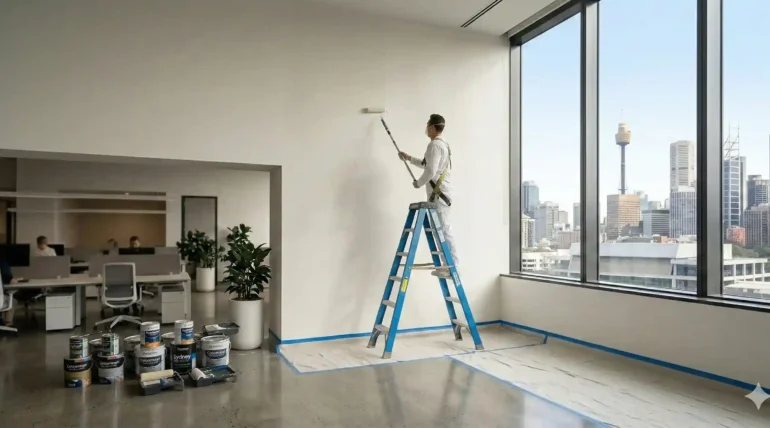
A fresh coat of paint can quietly change the mood of an entire building. Walk into a tired office with faded walls, and the space feels slow. Step into a freshly painted commercial space, and everything feels sharper. Cleaner. More confident.
Commercial painting in Sydney plays a direct role in branding, employee morale, customer perception, and long-term property maintenance. From retail stores in the CBD to warehouses in Western Sydney, paint does more than add color. It protects assets, reduces wear, and signals professionalism.
This guide breaks down the basics, benefits, costs, and practical tips around commercial painting for Sydney businesses. The focus stays grounded. No marketing gloss. The focus remains on the real considerations that are important before signing a contract.
Why Commercial Spaces Need More Than Paint
A commercial wall does more work than a residential one. In an office, it handles chairs scraping, bags brushing, and cleaning crews wiping it down weekly.
In a retail store, it faces constant contact from displays and customers. A basic domestic-grade coating won’t survive long in that environment, even if it looks fine on day one.
I’ve walked into recently painted offices where the finish already showed scuff marks because the wrong paint system was used to save a few dollars per square meter. The repaint happened within two years. That commercial painting turned into double labor costs and operational disruption. Commercial painting should prioritize durability from the outset, rather than addressing it later.
There’s also compliance to consider. Some spaces require low-VOC products, fire-rated coatings, or anti-slip systems on certain surfaces. Treating a commercial job like a larger version of a house repaint ignores these layers. The cost difference between doing it right and doing it twice becomes very clear once tenants start complaining.
Planning Timelines Around Business Operations
Most commercial painting projects don’t get the luxury of empty buildings; offices operate, warehouses ship goods, and retail stores trade seven days a week.
Painting has to work around that rhythm, not disrupt it entirely, which means after-hours schedules, staged sections, and careful coordination are essential.
One CBD office insisted on weekday daytime work to save on labor costs. Productivity dropped because the staff was distracted by noise and smell. Complaints rose quickly. The supposed savings evaporated when additional weekend shifts were required to finish properly. Sometimes the cheaper schedule is the more expensive one in practice.
Night work has its own complications. Access to lifts may be restricted. Security protocols slow down entry and exit. Crews fatigue faster if timelines are unrealistic. A practical program balances speed with realism. Rushed painting rarely improves efficiency; it just creates defects that show up under bright LED lighting later.
Surface Prep Errors That Cost Real Money
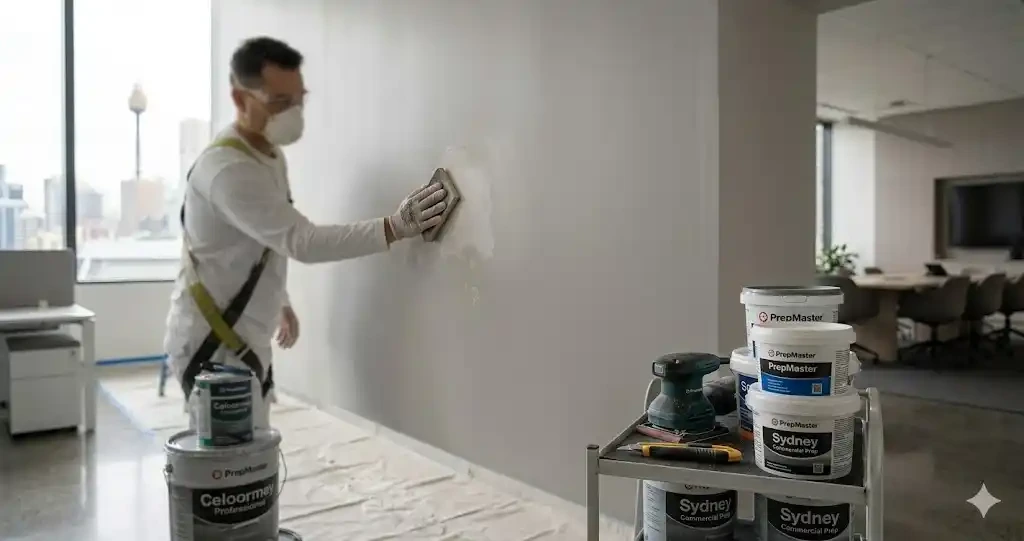
Preparation is rarely glamorous, but in professional commercial Painting, it involves essential sanding, patching, cleaning, priming, and sometimes repairing water damage or cracks.
This stage consumes a large portion of labor hours, and while clients often question why so much time goes into surfaces that will be covered with commercial Paintingcovered anyway, commercial Painting it’s the foundation that prevents premature failure and ensures a high-end finish.
I’ve seen what happens when prep gets trimmed to meet budget constraints. Peeling around air-conditioning vents, bubbling near windows, and uneven sheen across long corridor walls. Fixing those issues later involves isolating sections, moving furniture again, and disrupting operations twice. Preparation is invisible until it fails.
The coastal air in Sydney introduces its own set of challenges. If you don’t wash off the salt spray properly, exterior paint just won’t stick long-term. In industrial areas, you’re dealing with dust and grime that absolutely must be scrubbed away before the first coat goes on. Cutting corners here doesn’t save time it just guarantees a headache down the road.
Commercial Interior Painting Trends in Sydney
Sydney design trends favor:
- Neutral palettes
- Soft greys and warm whites
- Feature walls in muted tones
- Matte finishes over high gloss
Commercial interior painting increasingly supports minimalistic design. Overly bold colours can distract in corporate environments.
Choosing Paint Systems for Sydney Conditions
Sydney weather swings between humid summers and cooler, damp winters. Paint systems need to cope with both. Acrylics are common, but not all acrylics perform equally. Some commercial painting companies default to standard products without evaluating exposure levels.
On exterior façades near the coast, I’ve seen inferior coatings chalk and fade quickly. The repaint cycle shortened dramatically. Investing in higher-grade exterior systems extended maintenance intervals by several years. The upfront cost difference looked noticeable on paper but felt minor compared to repeated scaffolding hire later.
Interior environments vary significantly; medical centers may require washable, antimicrobial finishes, while commercial painting for warehouses often involves epoxy floor coatings to withstand forklifts. Using the wrong system is rarely obvious in the first month, but problems surface gradually, and by then, rectification becomes complicated and costly.
Working With commercial Painting Companies
When you’re vetting commercial painting companies, look beyond the pretty pictures in their portfolio. In a commercial setting, things like licensing, insurance, and safety paperwork are non-negotiable. I’ve seen jobs grind to a halt halfway through because the paperwork was messy. When you have a fixed handover date on a lease, those delays get expensive fast.
Your quote needs to be crystal clear about the prep work. Vague descriptions are usually a red flag for hidden costs later on. I’ve seen plenty of proposals that leave out surface repairs, which then turn into commercial Painting surprise commercial Painting expenses once the ladders are up. Being upfront at the start saves everyone from an argument later.
Communication style also matters. A contractor who explains sequencing, access needs, and potential disruptions honestly is usually easier to work with than one promising unrealistic turnaround times. Commercial painting runs more smoothly when expectations are managed early rather than corrected late.
Cost Breakdown of Commercial Painting in Sydney
Costs vary depending on size, condition, and paint quality.
| Feature | Travertino Plaster | Standard Paint |
| Texture Depth | High | Flat |
| Breathability | Excellent | Low |
| Mould Resistance | Natural lime protection | Requires additives |
| Lifespan | 10–20+ years | 5–7 years |
| Maintenance | Low | Moderate repainting |
Commercial Painting Sydney Safety Rules
Any commercial painting project in Sydney has to follow much tighter safety rules than a standard house repaint, aligning with Safe Work Australia safety guidelines to ensure worker protection and regulatory compliance.
It requires serious planning and the right documentation to keep everyone safe and compliant. I’ve watched projects stall because scaffold inspections weren’t completed properly. Building managers won’t risk liability. That delay doesn’t just inconvenience the contractor; it affects tenants and sometimes triggers penalty clauses. Safety compliance is not paperwork for show. It keeps projects moving.
Safety inside is just as important. You need clear signs, sealed-off areas, and good airflow to keep staff and visitors happy. You might save a few hours by skipping the containment zones, but you’re just asking for complaints or a visit from the regulators. Staying disciplined with safety actually protects your schedule in the long run.
Interior Design Trends and Colour Strategy
Commercial painting in Sydney has shifted away from stark white dominance, with warm neutrals, muted greys, and soft earth tones now dominating office and hospitality spaces. These color choices subtly influence mood and perception, transforming professional environments into more inviting areas.
I’ve seen businesses jump on a design trend without thinking about their brand. A dark, moody feature wall might look appealing in a magazine, but if it clashes with your corporate colors, it’s a fail. Fixing a mistake like that is way more expensive than just planning it right the first time.
Lighting plays a quiet but powerful role in commercial painting, especially as modern LED lights reveal undertones that older bulbs masked. Testing sample patches under actual lighting conditions avoids surprises; paint typically fails when the specific context isn’t considered, rather than due to color selection alone.
Cost Trade-offs and Long-Term Value
Commercial paint budgets often face pressure. Property managers look for competitive pricing. Tenants negotiate fit-out allowances tightly. The temptation to choose the lowest quote is strong, especially for large areas.
However, cheaper coatings and minimal prep often shorten lifecycle expectancy. I’ve seen car parks repainted within three years due to premature wear. A slightly higher specification would have extended the interval significantly. The true cost of painting includes how long it lasts, not just how much it costs initially.
Finding the middle ground between what you spend now and your future maintenance isn’t always easy. Every building faces unique challenges. It doesn’t make sense to blow the budget on high-end paint for a room no one uses; the smart move is matching the product to how the space is actually used.
Managing Expectations During Large Projects
Let’s be honest: a massive commercial interior painting job is rarely seamlessly commercial painting. Between the noise and the blocked-off hallways, people are going to get frustrated. While effective communication is crucial, some degree of disruption is an inevitable part of the process.
Working in phases, in my experience, is the most effective way to maintain peace during a commercial painting project. If you finish one area completely before moving to the next, the business can actually keep running. Trying to paint the whole floor at once might look fast on paper, but it usually just ends in total chaos.
Sometimes clients expect a machine-perfect finish on a huge wall. The reality is that hand-applied coatings have slight, natural variations. Pointing this out early helps avoid disputes later real finishes never look exactly like a digital mockup, and being honest about that builds trust.
Exterior Projects and Weather Uncertainty
Exterior commercial painting in Sydney depends heavily on weather windows. Rain delays are common, especially during unpredictable seasons. Including buffers in the schedule prevents rushed work between showers.
On one project near the harbor, wind conditions forced scaffold adjustments midway through painting. This resulted in an increase in both time and labor. Weather rarely follows ideal projections. Flexible scheduling keeps projects from collapsing under pressure.
Surface moisture levels must be checked before application. Painting damp substrates leads to adhesion failure. I’ve seen exterior coatings blister months after completion because moisture content wasn’t monitored properly. Patience during application protects long-term results.
Maintenance Planning Beyond The First Coat
Painting is often treated as a one-off event. In commercial property management, it functions better as part of a maintenance cycle. Annual inspections identify small issues before they expand into large defects.
Quick touch-ups in busy hallways can really stretch the life of your paint job, ensuring your building maintenance remains compliant with NSW Fair Trading standards. If you wait until the whole wall is peeling or scuffed, the prep work is going to be a nightmare; small fixes now are much cheaper than a full resurface later.
Think of commercial painting as a planned investment rather than an emergency fix. Owners who stick to a regular review schedule usually end up spending less over ten years than those who wait until the building looks completely run down before calling a painter.
The Role of Communication On-Site
Good communication kills most arguments before they start. You have to be clear about when people can get in, how long the paint takes to dry, and when it’s going to be noisy. Nobody likes surprises, especially tenants who are trying to work.
I’ve noticed that people relax a lot more when they get daily updates. Even a quick text or email to say where things stand reassures everyone that the project is on track. When a contractor goes silent, that’s when people start getting nervous.
Painting might seem straightforward, but in commercial settings, coordination becomes half the job. Miscommunication can cost more than material waste. Keeping everyone aligned keeps friction manageable.
Conclusion: Elevate Business Spaces with Professional Commercial Painting
Commercial Painting in Sydney goes beyond appearance. It protects assets, strengthens brand presence, improves workplace morale, and supports long-term property value. Commercial interior painting demands planning, preparation, and skilled application. Choosing experienced commercial painting companies ensures safety, durability, and minimal disruption.
Are you prepared to revamp your commercial space? Contact us today for a tailored quote and expert consultation. Professional results start with the right planning.
FAQs
How often should commercial properties be repainted?
Generally, commercial interiors need a fresh look every five to eight years, depending on the foot traffic. Outside, it’s a different story depending on the sun and salt. Staying on top of inspections lets you do small touch-ups that save you from a massive bill later.
Is it worth paying more for premium coatings?
In busy areas, using premium paint is almost always worth it. The extra cost might sting a bit at first, but it pays for itself by stretching out the time between repaints. In big commercial spaces, that's a huge win for the budget over time.