
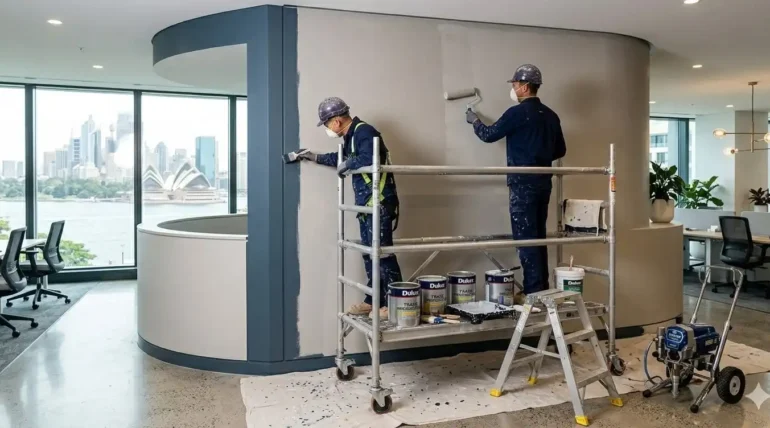
A fresh coat of paint can transform the look and feel of a workplace, but painting a live commercial property comes with one very obvious challenge: your business still needs to operate. Commercial Painters understand that customers still walk through the door, staff still need their desks, deliveries still arrive and meetings still happen. I have seen how quickly a straightforward repaint can become a headache when nobody plans around the daily rhythm of the business.
When I plan a commercial painting project, I do not start with a colour chart. I start with the way your business actually works. I look at your busiest periods, customer flow, staff routines, access points and areas that you cannot afford to close. Good planning lets Commercial Painters fit the work around your operation rather than forcing your operation to work around the paint.
That is where Commercial Painters can make a real difference. I focus on creating a practical schedule that keeps disruption under control while still giving the painting team enough room to prepare surfaces properly, apply coatings carefully and finish each area to a high standard.
Start With Your Business Schedule
I always begin by mapping out a normal working week. Every workplace has its own rhythm, and that rhythm should guide the painting schedule. An office may quieten after 5 pm, while a café can become busiest just when another business starts winding down. A showroom might see its biggest customer traffic on weekends, while a warehouse may revolve around delivery windows and stock movements.
I ask business owners to identify peak trading hours, staff shifts, customer appointments, deliveries, team meetings and important operational deadlines. From there, I can identify practical painting windows. This approach helps Commercial Painters work with your calendar instead of fighting against it.
The aim does not always involve after-hours work. Sometimes I can complete one section during the day and keep the rest of the site operating normally. In other cases, evening or weekend work makes more sense. I choose the option that protects productivity while keeping the project moving.
Divide the Property Into Manageable Zones
I prefer to break larger properties into smaller painting zones rather than close everything at once. This strategy works particularly well for offices, retail stores, warehouses, medical practices, showrooms and multi-level commercial buildings.
For example, I might schedule reception first, move to private offices next, then tackle meeting rooms and shared corridors. If you run a retail business, I can look at one side of the sales floor while you keep the other side open. In a warehouse, I can organise work by aisle, storage section or operational zone.
| Business Area | Practical Painting Approach |
| Reception | Paint during quiet periods or after closing |
| Open-plan office | Divide the floor into smaller work zones |
| Meeting rooms | Work between scheduled bookings |
| Retail floor | Paint in sections around customer traffic |
| Warehouse | Schedule work by aisle or operational zone |
| Corridors | Complete short sections while keeping another route available |
| Staff areas | Work around breaks and shift changes |
This staged approach gives Commercial Painters more control over the work while helping your business maintain access to essential areas.
Plan Customer Movement Before Painting Starts
I always put myself in the customer’s shoes. Imagine walking into a business and finding ladders across the entrance, protective sheets everywhere and a strong paint smell around reception. The crew may work efficiently, but the customer experience can still take a hit.
So, I map the customer journey from the entrance to the point of service. I look for temporary routes, alternative waiting areas and practical ways to keep high-traffic spaces clear. I also consider simple signage so visitors understand where they should walk.
This matters even more for retail, hospitality, healthcare and professional services. Commercial Painters can reduce visual disruption by sequencing customer-facing areas carefully instead of closing them for long periods.
Protect Your Equipment, Stock and Work Areas
I never treat a commercial property like an empty room. Most workplaces contain valuable equipment, stock, documents, displays, machinery and technology.
Before painting starts, I identify what needs to move, what needs covering and what must remain accessible. I also consider sensitive equipment that may react poorly to dust or paint particles. Good preparation protects your assets and gives the painting crew more room to work safely.
I recommend making a simple protection plan:
- Remove fragile and portable items.
- Relocate equipment where practical.
- Cover furniture and fixed equipment properly.
- Clear shelves, counters and wall displays.
- Protect floors and high-touch surfaces.
- Keep essential business items accessible.
That preparation helps Commercial Painters work efficiently because the crew can spend more time on the actual painting instead of navigating clutter.
Take Ventilation and Workplace Safety Seriously
I also plan for ventilation, access and general workplace safety. Paint products can release vapours, and enclosed spaces may need suitable airflow while work takes place. I also look at ladders, elevated areas, equipment placement, walkways and temporary barriers.
For Sydney businesses, I recommend checking the relevant workplace requirements before work begins. You can review SafeWork NSW guidance on workplace ventilation when planning suitable conditions for the job.
I also coordinate the work so employees and visitors do not wander into active painting zones. I prefer clear boundaries, sensible signage and a straightforward communication process. That keeps the site organised while the business continues operating.
Choose the Right Time for Each Area
I do not believe every part of a commercial property needs the same schedule. A boardroom may work well for an evening repaint, while an internal storeroom could suit daytime work. A reception area might need the shortest possible closure because customers see it first.
I therefore match each area to its operational importance. I prioritise spaces where disruption could affect the business most, then fit lower-impact areas around them.
The best Commercial Painters understand that a good schedule should balance efficiency with the reality of daily business operations. A smart sequence usually beats a rushed one.
Keep Your Staff in the Loop
I always recommend clear communication with employees before work starts. Staff need to know which areas will close, when they will close and where they should work if their usual space becomes unavailable.
I keep the message simple. For example: “The east-side offices close after 4 pm on Tuesday. Please clear your desks before leaving. Use Meeting Room B on Wednesday morning.”
That level of detail prevents confusion. It also gives employees time to protect files, personal items and equipment before the painting team arrives.
I have found that experienced Commercial Painters understand that people, schedules and physical spaces all interact during a live workplace project.
Consider Sydney’s Weather and Property Conditions
Exterior painting adds another layer of scheduling. Sydney weather can change plans quickly, particularly when rain, humidity or strong sunlight affects an outdoor work window.
I therefore build some flexibility into exterior schedules. I also inspect the building itself because older properties can present unusual access, surface or ventilation challenges. Multi-storey sites may need extra planning for equipment movement, while busy locations may require tighter control around entrances and public areas.
When Commercial Painters account for these conditions before the start date, the project can move more smoothly instead of constantly reacting to unexpected changes.
Build a Clear Painting Sequence
Once I understand the business and the property, I create a logical sequence. I normally work through the project in stages.
Stage 1: Preparation and protection
I clear work areas, protect surfaces and confirm access.
Stage 2: Low-impact areas
I start with spaces that have minimal effect on customers and staff.
Stage 3: Work areas
I move through offices, staff zones or operational sections in manageable blocks.
Stage 4: Shared spaces
I schedule meeting rooms, corridors and communal areas around actual usage.
Stage 5: Customer-facing areas
I leave reception, showroom and other high-visibility spaces for carefully chosen windows.
Stage 6: Inspection and touch-ups
I check the finished surfaces, complete small corrections and make sure the business can return to normal use.
This sequence gives Commercial Painters a practical roadmap while giving business owners a clearer idea of what will happen each day.
Ask the Right Questions Before Work Begins
I encourage business owners to ask a few direct questions before approving the schedule.
Who will manage access each day? How long will each area remain unavailable? What happens if a customer needs to enter a temporarily restricted section? How will equipment, waste and materials move through the property?
I also ask about daily clean-up. A tidy work area matters because your team should not start every morning by stepping around yesterday’s tools, coverings and waste.
Good Commercial Painters should give you a clear understanding of the planned sequence, preparation requirements, access arrangements and expected completion stages. The more detail you settle upfront, the fewer surprises you face later.
Use Painting as a Branding Opportunity
I see commercial painting as more than maintenance. It can sharpen the personality of a workplace and create a stronger first impression.
Your walls, trims and finishes contribute to how customers experience the space. I like to consider colour consistency, brand identity, lighting and the way different areas connect visually. A polished commercial environment can make an office feel more current, a showroom feel more premium or a reception area feel more welcoming.
That does not mean you need dramatic colours everywhere. Sometimes the smartest update involves a restrained palette, crisp lines and a durable finish that suits the way the space gets used.
Professional Commercial Painters can help you balance appearance, practicality and the everyday demands of the property.
Create a Simple Pre-Paint Checklist
I use a checklist because small details can easily disappear when a business owner has ten other things to think about.
Before painting
- Confirm the exact areas and surfaces.
- Mark peak operating hours.
- Choose practical painting windows.
- Move or protect equipment.
- Inform staff.
- Plan customer routes.
- Confirm access and parking arrangements.
During painting
- Keep agreed pathways clear.
- Maintain suitable ventilation.
- Respect restricted areas.
- Remove waste regularly.
- Communicate schedule changes quickly.
After painting
- Inspect walls, trims and corners.
- Check high-traffic areas for touch-ups.
- Return furniture and equipment carefully.
- Confirm every business area works normally.
- Keep care instructions for the new finish.
A simple checklist gives both the business owner and Commercial Painters a shared reference point throughout the project.
Final Thoughts: Keep Business Moving While You Repaint
I believe the smartest commercial painting project starts with the business, not the paint tin. When I plan around trading hours, staff routines, customer movement, access, safety and property conditions, I can create a much smoother path from preparation to final touch-up.
You do not necessarily need to shut your doors or put your operations on pause. With the right staging and communication, you can refresh your property while your team keeps doing what they do best. The right Commercial Painters will understand that a successful project needs to look great while fitting the way your business actually works.
Ready to give your Sydney workplace a cleaner, sharper look without unnecessary operational chaos? Get in touch with our team to discuss your commercial painting needs and plan a schedule around your business.
Frequently Asked Questions
How can I keep my business open during commercial painting?
I recommend dividing the property into smaller zones and scheduling work during quieter trading periods. I can then keep essential routes and work areas available while another section receives attention.
Should I schedule painting after business hours?
Not always. I choose the schedule according to the property and your operating pattern. Some areas work better after hours, while others suit a staged daytime approach.
How long does commercial painting usually take?
I cannot give one fixed timeframe because project length depends on property size, surface condition, preparation requirements, number of coats, access and the number of areas involved. A site assessment gives you a much more realistic schedule.
What should my staff do before the painting starts?
I suggest removing personal items, clearing desks and counters, protecting important equipment and following the temporary access plan. Early preparation makes the whole process easier.
Can painting affect customers?
It can, especially around reception, entrances and high-traffic areas. I reduce that impact through staged work, clear signage and carefully selected painting windows.
How can I plan commercial painting for a Sydney office?
I start with the office calendar. I look at meetings, peak collaboration times, staff attendance, customer appointments and areas that must remain available. Then I build the painting sequence around those requirements.