
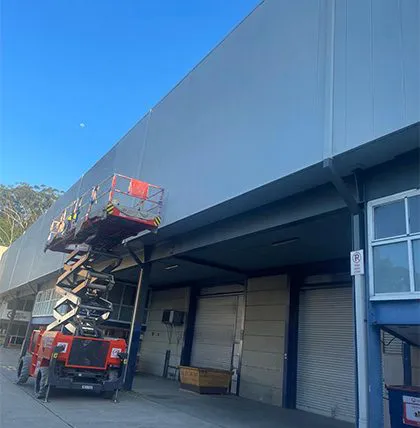
So you’ve decided to freshen up the workplace with a brand-new paint job – exciting! But the thought of shutting down your business (and revenue) for days on end can be terrifying. Imagine a 10,000 sq ft retail store lying dark for an extra week: industry research shows that could mean $800,000–$1.5 million in lost sales.
Ouch! The good news? With smart planning and the right team, commercial interior painting can happen with minimal disruption. You don’t have to close your doors or send everyone home.
Here’s how to pull off that magic: keep your place open, schedule cleverly, and use fast-dry, low-odor paints that let employees come back immediately. Think of it as a spa day for your office – with expertly timed breathing breaks so everyone stays happy. By planning like a pro, you can give your workplace a fresh coat of paint and keep the business running smoothly.
Plan Smart: Scheduling & Phased Painting
The secret sauce is scheduling. When does your business have natural lulls? Maybe evenings, weekends, or holiday breaks. Many Sydney businesses book painters for nights or weekends when the office is empty. For example, one contractor notes that “completing work during evenings, weekends, holidays or other low-traffic periods” keeps operations moving.
By avoiding peak hours, you eliminate interference with customers and staff. In Sydney’s busy CBD, councils generally permit construction (including painting) only between about 7 am–6 pm on weekdays and 7 am–5 pm Saturdays (no work on Sundays).
The bright side? Painting is mostly quiet work. Australian standards even allow “building work that doesn’t create clearly audible noise, like electrical work and painting, … at any time” outside those hours. In practice, this means contractors can often paint indoors early in the morning or late evening as long as they minimize noise and dust.
Phased painting is another scheduling trick. Instead of cordoning off the whole office, divide the space into zones (floors, departments, meeting rooms, etc.) and tackle one at a time. For instance, finish painting the reception and a set of offices before moving to the next area.
Employees can still use the rest of the workplace while painters move on. It’s like closing one corridor in a shop rather than the whole store. This “section-by-section” approach means only a small area is off-limits at once.
As a result, business feels less disrupted. In short, a well-planned schedule keeps the project on track and lets customers and staff “move through the space safely”.
Checklist:
- Map your operation: Note peak vs off-peak hours (e.g. retail busiest weekends, offices empty after 5pm).
- Decide on phasing: Plan to paint one wing/department at a time.
- Build contingency: Add extra days for delays (weather for any exterior tasks, supplier hiccups).
Section-by-Section Execution
With scheduling settled, it’s execution time – wisely. Commercial painters often work like ninjas, appearing when you’re closed and vanishing by morning. Here are practical tactics:
After-hours shifts: Book painters overnight or on weekends. Many Sydney painting crews now operate 24/7 if needed. By Monday, it’s business as usual.
Containment: Use plastic sheeting, dust barriers, and warning signs. This keeps paint fumes and debris away from workers. One US contractor notes, “Contractors divide the space into manageable zones. Once one section is completed and fully dried, staff can return while painters move to the next area”.
Clear walkways: Reroute foot traffic around work zones with signage (“Wet Paint”, “Floor Closed” etc.) so staff can bypass job sites safely.
Communication is key here – you (and your contractor) should keep everyone in the loop. Let employees know which areas are being painted and when. A quick memo or team huddle early on can prevent confusion and frustration.
For example, one contractor advises: “Inform your team of the painting schedule, restricted areas, and safety protocols… Create a short briefing outlining emergency contacts, project duration, and daily updates”. That way no one panics about fresh paint on the boss’s desk!
Choose the Right Materials
Not all paint is created equal. These days, commercial-grade paints come formulated for speed and safety:
Low-VOC, low-odor paints: These are a must. Beyond being eco-friendly, they let your team re-enter the space quickly. NSW guidelines strongly recommend low-VOC paints for offices to keep indoor air quality safe and allow staff back sooner. In fact, using low-VOC paints “is safer for staff returning to work soon after painting”. (And bonus: fewer headaches for allergy sufferers!)
Fast-drying coatings: Technology has given us marvels like acrylic paints that dry to the touch within 1–2 hours. Many modern water-based paints can be recoated in just a few hours. This means painters can work all night on one coat, and by morning the space is basically ready for use.
For example, some crews report that light foot traffic is safe after about 24 hours, with full curing by a week or two. In practice, that often means offices are fresh and open by Tuesday even if painting finished Monday. Always check the product data sheet: contractors should pick “accelerated dry” lines that advertise quick recoat times.
Primers and sealers: Don’t skimp on prep. A good primer can cut down on the number of finish coats needed, meaning painters spend less time per wall.
Prep and Protection
Speaking of prep, a thorough pre-paint step keeps the project speedy in the long run. Before a single drop of paint flies:
Site inspection: The painters should inspect every nook – walls, trims, vents, light fixtures – to note repairs and protective measures. Any cracks or chips get filled and sanded before painting starts.
Move or cover furniture: To avoid constant delays, clear the room or cover desks, chairs and equipment with drop sheets or plastic. This not only protects your stuff but lets painters move quickly without constantly working around desks.
Remove debris: A clean surface is a quick surface. Wipe down walls to remove dust or grease, then prime. Wet walls suck up paint unevenly, leading to extra coats. Proper cleaning means a smooth one-coat job and less rework.
Floor protection: Lay paper or film on floors and around skirting boards. Protect the whole area to speed cleanup later.
As one contractor put it, “One of the biggest factors in keeping a project on schedule is proper preparation… repairing damaged surfaces, protecting furniture and equipment, and preparing walls before painting allows the work to move efficiently once application begins”. In other words: do your homework first to stay on schedule later.
Communication & Coordination
Maintaining normal ops isn’t just about painting; it’s a team effort. A clear point of contact (project manager or team lead) should handle the schedule, updates, and any surprises. This prevents mixed messages. Key tips:
Single point of contact: Assign one staff member (like the office manager) who liaises with the painters each day. This avoids confusion if issues come up.
Daily progress check-ins: Review what was done each night before the crew finishes. Catch any missed spots or punch-list items early. It’s easier to fix a small spot the next night than redo an entire room later.
Keep staff informed: Send brief alerts (email or chat message) daily or every few days with reminders: “Today: Corridor A from 6–10pm, please use alternate route.” This builds trust and keeps everyone safe.
Clear communication is your secret weapon. When everyone knows what’s happening and when, the project “moves more efficiently and with fewer interruptions”. Think of it as giving your staff a friendly heads-up so the fresh paint becomes a pleasant surprise, not a shock.
Sydney Regulations & Safety Standards
Since we’re in Sydney, we can’t ignore the rules. Fortunately, most apply broadly to any “construction work” – which office painting falls under in WHS law. Here’s the quick rundown:
Work hours: Sydney’s City Council recommends 7 am–7 pm weekdays (7 am–5 pm Sat) as safe windows for construction noise. Even if you have permission, avoid loud work outside those times.
Quiet tasks like rolling on paint generally don’t count as “noisy” under Australian law, so painters often schedule after-hours because it’s allowed and odor-free. Just double-check your specific council’s code.
WHS compliance: Painting a commercial space is officially a workplace activity under SafeWork NSW rules. For additional guidance on workplace controls and safe practices, see SafeWork NSW’s spray painting and powder coating guidelines That means standard safety measures must be in place: risk assessments, Safe Work Method Statements (SWMS) for high-risk tasks (like working at heights), proper PPE, etc.. Rest assured, qualified contractors are familiar with this.
In fact, one guide warns that cutting safety corners can cause shutdowns and fines – so experts will plan safe access (barriers for ladders, marked walkways, masked-off electrical outlets) and avoid unauthorized work-hour breaches. All these precautions actually minimise disruptions, because a safe site is a faster site.
Indoor air quality: Even with low-VOC paints, keep the air fresh. Ventilate the area with fans or open windows if possible. If you have air-conditioning controls, run them to flush paint fumes. Some sites will even temporarily adjust HVAC after-hours to clear the air before staff return. This attention to air quality means no lingering paint smell on Monday morning.
Licenses and insurance: Make sure your painting contractor is fully licensed for commercial work and has public liability insurance. This isn’t downtime advice per se, but hiring unlicensed or uninsured crews can lead to shutdowns if safety regs aren’t met. Stick with established pros (they often advertise as “commercial painting specialists” in Sydney) to avoid headaches.
By staying on the right side of WHS and local council rules, you avoid surprise stoppages. In short, follow NSW guidelines on safe painting (like using recommended paints and PPE), and downtime will come only from planned phases – not penalties.
Why Hire Commercial Specialists
At the end of the day, your best downtime insurance is a great team. Experienced commercial painters are like mural artists for businesses – they know how to show up after you close, work swiftly, and keep your brand image sharp. Here’s what to look for:
Experience & Crew Size: A crew accustomed to office or retail work will finish faster. Many commercial teams bring industrial-grade equipment and bigger crews to get the job done in record time. If they’ve painted an office while people worked around them, they’ve probably developed ninja-like skills in speed and stealth.
Clear Communication: The best painters will lay out a detailed timeline before breaking out the rollers, and stick to it. They should update you daily and have one project manager in charge.
As one Sydney contractor suggests, “a good contractor will provide a clear project timeline, regular updates, and a single point of contact… This reduces disruption and keeps everyone informed”. If your quote doesn’t mention scheduling flexibility, ask — a red flag is when they say “we only work 9–5”.
Quality Materials: Cheap paints might seem like a money-saver, but they often require extra coats or rework (more downtime!). Ask about the brand and type of paint. Ideally, they use commercial-grade, washable paint with a warranty. Quality products last longer, so you won’t need to paint again (and shut down) anytime soon.
Insurance and Safety Record: Ensure any crew in your building is trained and insured. A good team should have no problem providing evidence of licenses and insurance. This may not sound exciting, but it builds trust – and insured pros clean up any accidents fast, which is one less delay for you.
Think of hiring commercial specialists as an investment: they’ll likely finish quicker and avoid mistakes that cause rework. In fact, industry data shows that poor coordination between contractors can waste up to 9% of a renovation budget on rework. By contrast, a savvy commercial painter will coordinate (like scheduling around your IT equipment and meetings) so that every stroke counts.
Key Takeaways: Downtime-Reduction Checklist
To recap, here’s a quick checklist for minimal downtime during commercial interior painting:
Plan timing: Schedule painting during evenings, weekends or slow seasons. Coordinate with any events or holidays (e.g. after New Year’s or a quiet quarter).
Phase the work: Paint one section at a time. Keep some departments fully open so operations continue somewhere.
Select fast-dry materials: Use low-VOC, quick-drying commercial paints. Ask painters about brands – modern acrylics can be ready for a second coat in hours.
Prep thoroughly: Inspect, repair, clean and cover before painting. Proper prep saves rework later.
Keep ventilation on: Run fans/HVAC to clear fumes overnight. Use low odor products.
Communicate: Post clear signs, send updates to staff, and have a point-person on both sides.
Follow the rules: Stick to permitted hours (generally 7 am–7 pm weekdays in Sydney) and safety protocols (SWMS, PPE, etc. as required by SafeWork NSW).
Work with professionals: Hire experienced commercial painters who can prove their safety record and scheduling expertise.
By checking off these items, you’ll paint smart – keeping the color on your walls, not on your to-do backlog.
Conclusion
A commercial painting project doesn’t have to bring your business to a standstill. With careful scheduling, phased painting, proper preparation, low-VOC materials, good ventilation, and clear communication, you can refresh your workplace while keeping day-to-day operations running smoothly.
The key is choosing a commercial painting team that understands the challenges of working in occupied business premises. An experienced contractor can plan around your operating hours, minimise disruption, maintain a safe work environment, and deliver a professional finish without unnecessary delays.
Ready to Refresh Your Commercial Space? If you’re planning a commercial interior painting project in Sydney, don’t let concerns about downtime hold you back. Get in touch with the commercial painting team today to discuss your project, preferred schedule, and how we can keep disruption to your business to a minimum.
FAQs:
Q: How can we minimise disruption during an office paint job?
A: Schedule painting after-hours or on weekends, use quick-dry, low-odor paints, and paint in sections. Communication with staff and phased work mean operations can continue.
Q: Can we stay open during commercial painting?
A: Yes. With careful planning, you can. Work after-hours or in stages (one floor at a time), use low-VOC paints, and contain dust so the rest of the building stays functional.
Q: Are quiet tasks like painting allowed outside construction hours in Sydney?
A: Generally, yes. Sydney councils restrict noisy work to roughly 7 am–7 pm weekdays and Saturdays, with no Sunday noise. But painting is low-noise, so it can often be done earlier or later (especially with quiet equipment) without breaking the rules.
Q: What about health safety when painting indoors?
A: Always use low-VOC paints and ventilate the area. NSW guidelines strongly recommend low-VOC (low-smell) paints so staff can return sooner and indoor air stays clean. Ensure proper masks, goggles, and that any lead/asbestos risks are managed as required under WHS law.
Q: How is commercial painting different from house painting?
A: Commercial interior painting deals with occupied spaces and regulations, unlike house painting. You’ll need professional crews who can work around your hours and comply with workplace safety rules. A good commercial painter knows to plan around your schedule and keep areas open as they work.