
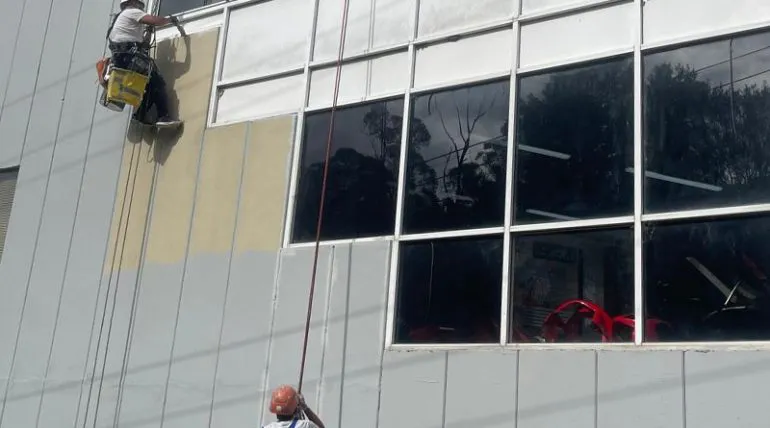
Most costly commercial building repairs don’t begin with a major incident. They usually start with small signs that busy property owners overlook, such as faded coatings, tiny cracks or peeling paint after another Sydney summer. By the time the damage becomes obvious, the repair bill is often much larger than expected.
Commercial building painting is one of the smartest ways to stop that cycle before it starts. Rather than treating paint as a cosmetic upgrade, many Sydney property owners now see it as part of a long-term maintenance strategy.
A warehouse in Western Sydney deals with long hours of intense sun, while a retail centre closer to the coast battles salt carried in the sea breeze. Add periods of heavy rain, humidity and constant traffic pollution, and exterior surfaces are under pressure almost every day of the year.
These conditions quietly wear down exterior surfaces, allowing moisture, pollutants and everyday exposure to damage the building over time. Waiting until obvious deterioration appears often means paying far more than planned.
Whether you manage a retail complex, office building, warehouse, healthcare facility or strata property, preventive maintenance helps protect both your investment and daily operations. A well-planned painting schedule does more than refresh a building’s appearance. It helps reduce disruption, control maintenance budgets and extend the life of valuable building materials.
Why Commercial Building Painting Pays Off
Every quality coating is much more than a colour finish. It forms the first protective layer between expensive building materials and Sydney’s changing weather. Once that barrier begins to fail, deterioration often accelerates much faster than most owners expect. This is where commercial building painting delivers value by protecting surfaces before repair costs begin to rise.
Experienced painters often notice the first signs of coating failure on western-facing walls because they receive stronger afternoon sunlight. Coastal buildings, meanwhile, usually show faster corrosion around exposed metal fixtures and external handrails.
Industrial precincts also face additional challenges from airborne pollutants, dust and vehicle emissions. Over time, these conditions weaken painted surfaces, exposing concrete, render, timber and steel to ongoing damage.
The damage rarely appears all at once. It develops gradually, beginning with small coating failures before spreading into the building structure. This is why commercial building painting should never be delayed, as once deterioration takes hold, several costly problems can emerge:
- Moisture enters through fine cracks and damaged coatings.
- Steel components become vulnerable to corrosion.
- Timber absorbs water and begins to swell or rot.
- Exterior render develops larger cracks after repeated exposure to the weather.
- Internal walls may show damp patches caused by water penetration.
Addressing these issues usually involves more than repainting. Property owners often need waterproofing, rendering, structural repairs or partial material replacement. Preventive painting helps avoid many unnecessary expenses while keeping maintenance costs more predictable.
Instead of waiting for visible deterioration, experienced facility managers schedule repainting based on building exposure, age and surrounding environmental conditions, allowing owners to plan proactive maintenance that reduces repair costs and extends the building’s lifespan.
What Building Painters Notice First
One advantage many property owners overlook is that commercial building painting projects often begin with detailed inspections that reveal problems long before they become costly emergencies. Experienced building painters spend considerable time assessing every surface before any preparation or coating begins, giving owners peace of mind that hidden defects are identified early and addressed proactively.
A thorough inspection frequently uncovers maintenance issues that everyday occupants never notice. Beyond obvious surface wear, inspections frequently uncover issues hidden around service entrances, loading docks, rooftop access points and shaded elevations. These areas often deteriorate more quickly because they receive less routine attention during day-to-day operations.
The assessment process commonly identifies:
| Early Warning Sign | Potential Future Problem | Benefit of Early Action |
| Hairline wall cracks | Water penetration | Simple sealing prevents moisture damage |
| Small rust patches | Structural corrosion | Local treatment avoids steel replacement |
| Failing sealants | Internal water leaks | Resealing protects surrounding finishes |
| Bubbling paint | Trapped moisture | Moisture source can be corrected early |
| Surface chalking | UV coating failure | Recoating restores long-term protection |
This preventive approach is becoming increasingly common across Sydney, particularly in commercial offices, education facilities and retail centres, where unplanned repairs can disrupt business operations. By incorporating commercial building painting into planned maintenance schedules, owners can identify minor defects early and address them before they escalate into costly building restoration work.
Smarter Maintenance with Building Painting Sydney
Five years ago, many commercial owners waited until a building looked tired before scheduling repainting. Today, rising construction costs, longer repair lead times, and higher tenant expectations have shifted the focus towards preventive maintenance that protects assets before expensive repairs become necessary. That shift has encouraged many owners to treat building painting Sydney projects as part of an asset management plan rather than a cosmetic upgrade.
The surrounding environment also influences how quickly the exterior finishes age. Commercial buildings in suburbs such as Bondi, Manly and Cronulla experience far greater salt exposure than properties across Western Sydney, resulting in different repainting cycles.
In business districts with constant pedestrian traffic, entrances, handrails and loading areas experience faster wear than quieter sections of the property. These varying conditions make commercial building painting an essential part of long-term property maintenance.
Many strata managers and commercial facility managers now build repainting cycles into long-term maintenance budgets instead of waiting for visible deterioration. This approach creates fewer surprises and helps preserve asset value over time.
When owners understand that different property types require different priorities because their daily use puts different pressure on surfaces, they can feel more in control of their building’s future and maintenance costs.
Planned maintenance also supports broader building compliance. Commercial property owners should ensure maintenance and repair work aligns with the National Construction Code (NCC), which establishes minimum standards for building safety, accessibility and performance across Australia.
- Premium office buildings: Reception areas, lifts and common spaces benefit from regular maintenance to maintain a professional appearance and reduce wear.
- Shopping centres and retail precincts: Shopfronts, external façades and customer entry points need durable finishes that withstand heavy foot traffic and frequent cleaning.
- Logistics warehouses: Steel cladding, loading docks and service areas require coatings that resist moisture, dust and operational impact.
- Schools, childcare centres and healthcare facilities: High-contact areas need finishes that are easy to clean and that continue to perform well despite daily use.
When repainting decisions reflect the building’s location, function and exposure levels, maintenance budgets become easier to manage. Owners avoid emergency repairs while keeping commercial spaces attractive to tenants, customers, and employees year-round, making commercial building painting a practical long-term investment.
Keeping Businesses Moving with Building Painting Contractors
Few businesses budget for emergency building repairs because they rarely happen at a convenient time. A leaking façade or peeling exterior can interrupt trading, inconvenience tenants, and create unexpected expenses within days.
Experienced building painting contractors help minimise those risks by planning maintenance before damage disrupts business operations. Rather than waiting until coatings completely fail, many property managers schedule commercial building painting during quieter business periods so maintenance can be completed with minimal disruption.
This coordinated approach reduces inconvenience while preventing multiple contractors from returning to address problems that could have been avoided earlier.
A proactive painting strategy offers several operational advantages:
- Repairs remain smaller, faster and easier to manage.
- Businesses avoid emergency maintenance during peak trading periods.
- Tenants experience fewer disruptions and access restrictions.
- Building materials last longer, reducing replacement costs.
- Property presentations support stronger leasing opportunities and greater visitor confidence.
Another overlooked benefit is budget certainty. Emergency building repairs often require urgent labour, specialised equipment and immediate material sourcing, making them significantly more expensive than planned maintenance. Painting projects completed before major deterioration sets in allow owners to spread maintenance costs over time rather than face sudden, high-value repair invoices.
For Sydney businesses competing in a professional commercial market, preserving a property’s condition is no longer only about appearance. It helps maintain operational continuity, protect long-term asset value and create a positive impression for clients, employees and prospective tenants.
Conclusion
Protecting a commercial property is far more effective than repairing one after problems appear. Commercial building painting is a practical preventive maintenance measure that helps shield surfaces from Sydney’s harsh climate, heavy daily use, and environmental exposure.
By addressing minor wear before it develops into structural damage, property owners can reduce long-term maintenance costs, extend the life of building materials and maintain a professional appearance that supports long-term property performance.
Whether you manage a single commercial property or an entire portfolio, the right maintenance strategy starts with expert advice. Contact Grand Painting to arrange a professional assessment and discover how proactive painting solutions can help reduce future repair costs while keeping your building in excellent condition.
FAQs
1. How often should Commercial building painting be completed in Sydney?
The ideal repainting schedule depends on the building’s location, exposure and surface materials. Commercial building painting is generally required more frequently for properties near the coast or on busy roads, as salt, pollution and harsh weather conditions accelerate coating wear.
2. Can commercial building painting really reduce future building repair costs?
Yes. Commercial building painting creates a protective barrier against moisture, UV exposure and pollutants. Maintaining that barrier helps prevent corrosion, timber decay, cracking and water intrusion, reducing the likelihood of expensive structural repairs later.
3. Which commercial properties benefit most from commercial building painting?
Office buildings, warehouses, retail centres, schools, healthcare facilities, hotels and strata complexes all benefit from commercial painting services. Properties with high pedestrian traffic or constant exposure to the elements usually achieve the greatest long-term savings through preventive repainting.