
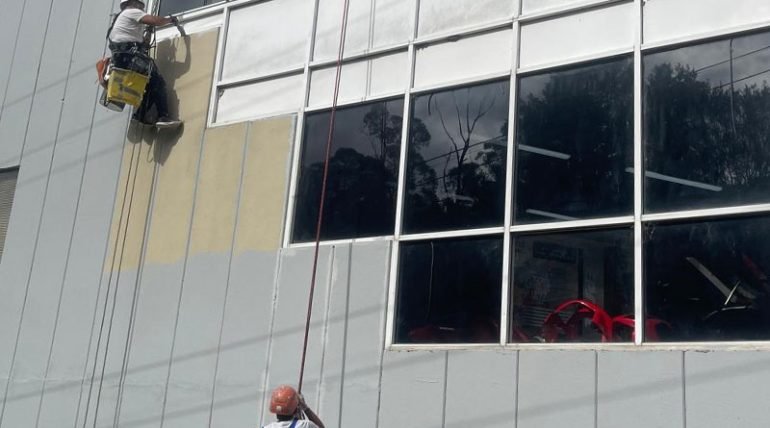
A commercial building makes an impression long before anyone steps through the front door. Faded walls, peeling paint and weather-beaten facades can make even a well-designed property look tired. Commercial Building Painting with the right paint system can give your building a fresh, professional appearance while protecting its surfaces from Sydney’s changing weather.
Choosing paint involves more than picking a colour from a swatch. I always recommend looking at the surface, the building’s purpose, its exposure to the elements and the level of maintenance you can manage. Get these details right, and your paintwork can look sharp for years rather than struggle through its first few seasons.
When you plan Commercial Building Painting, I suggest treating the project as a complete surface protection system rather than a simple cosmetic upgrade. The right combination of preparation, primer and topcoat helps your property look professional while supporting the long-term condition of its walls, ceilings, metalwork and exterior surfaces.
1. Understand Your Building’s Surface Before Choosing Paint
Every surface has its own personality. Concrete absorbs moisture differently from timber, while metal requires a different approach from rendered masonry. Using the same paint system throughout a commercial property might seem convenient, but it can lead to adhesion problems, uneven finishes and early paint failure.
I start by identifying the materials that need painting and checking their current condition. Existing coatings, cracks, rust, chalking and moisture damage can all influence which products will work best.
Here is a quick guide to common commercial surfaces.
| Surface | Recommended paint system considerations |
| Concrete and masonry | Compatible masonry primer and durable exterior coating |
| Rendered walls | Breathable coating suited to the render and moisture conditions |
| Metal doors and frames | Suitable metal primer and corrosion-resistant topcoat |
| Timber surfaces | Timber-compatible primer and exterior or interior finish |
| Plasterboard walls | Appropriate sealer or primer followed by an interior coating |
| Previously painted surfaces | Compatibility testing, surface preparation and suitable repainting products |
Before choosing a product, I also check whether the existing paint has a sound bond. A premium topcoat cannot rescue a weak surface underneath it. If the old coating flakes away at the slightest touch, the team needs to address that problem before applying anything new.
2. Choose an Exterior Paint System for Sydney’s Conditions
Sydney gives commercial buildings a little bit of everything: strong summer sun, humid days, coastal breezes and periods of heavy rain. A building near the coast may also face airborne salt, which can accelerate corrosion on exposed metal surfaces.
That is why I never choose exterior paint based on colour alone. The coating needs to suit the building’s location, the substrate and the conditions the facade experiences throughout the year.
For exposed walls, look for a coating designed for the relevant exterior surface, with suitable resistance to weathering, moisture and ultraviolet exposure. Some systems also offer better resistance to dirt pickup, helping busy commercial facades maintain a cleaner appearance between maintenance cycles.
For buildings near the coast, I pay particular attention to metal preparation and corrosion protection. A compatible anti-corrosion primer and suitable topcoat can help protect steel components, provided the contractor prepares the surface correctly and follows the product manufacturer’s specifications.
Sydney’s weather also makes application conditions important. Temperature, humidity, wind and the likelihood of rain can affect drying and curing. I recommend scheduling the work within the product’s specified application conditions rather than rushing to finish before the next change in weather.
3. Match the Paint to the Building’s Purpose
A commercial office, retail shop, medical practice and industrial facility do not face the same daily demands. Your paint system should reflect how people use the building, how often they touch the surfaces and how frequently staff need to clean them.
Offices and corporate spaces
Office interiors benefit from finishes that create a professional atmosphere without making everyday maintenance difficult. Low-sheen finishes can help disguise minor surface imperfections, while suitable washable coatings can simplify cleaning in reception areas, corridors and meeting rooms.
For feature walls, I often suggest using colour strategically rather than covering every surface in a bold shade. A restrained palette can make a workplace feel modern without distracting from its function.
Retail stores and hospitality venues
Retail spaces experience regular contact from customers, displays and moving equipment. Walls around entrances, counters and corridors can pick up marks quickly, so durability and cleanability deserve particular attention.
Choose a coating that suits the cleaning routine and the substrate. In hospitality settings, confirm that the selected finish can handle the cleaning products and frequency the operator expects to use.
Warehouses and industrial buildings
Warehouses need practical finishes that suit their environment. Walls may collect dust, loading areas may experience scuffs, and exposed metalwork may require additional corrosion protection.
I recommend assessing each zone separately. A low-traffic office inside a warehouse may need a different coating from a loading bay exposed to impacts, moisture or industrial contaminants.
4. Understand the Main Types of Commercial Paint
Once you understand the surface and its purpose, you can narrow down the coating options. Water-based acrylics, enamel coatings and specialist protective systems each have different strengths.
| Paint type | Where it may work well | What to consider |
| Water-based acrylic | Many interior and exterior wall applications | Check substrate compatibility, weather resistance and cleanability |
| Water-based enamel | Selected doors, trims and joinery | Confirm the required durability and finish |
| Solvent-based enamel | Suitable metal or timber applications | Consider ventilation, application requirements and drying time |
| Anti-corrosion coating | Appropriate steel and metal components | Match the primer and topcoat to the exposure conditions |
| Specialist protective coating | Selected high-wear or demanding environments | Follow system specifications and confirm suitability for the substrate |
The key is to choose a complete system, not simply a tin of paint. A primer, intermediate coat where required and final topcoat should work together. Mixing incompatible products can undermine adhesion and shorten the coating’s service life.
I also recommend checking the technical data sheets before approving a product. These documents explain surface preparation, coverage, recoat times, application limits and recommended film thickness. They give you a more reliable basis for comparing products than marketing claims alone.
5. Never Underestimate Surface Preparation
If there is one part of Commercial Building Painting I would never cut short, it is preparation. A flawless finish begins before the first coat goes on.
Dust, grease, loose paint, rust and moisture can all interfere with adhesion. Even expensive paint may peel, blister or develop an uneven finish when the team skips essential preparation.
A professional preparation plan may include:
- Inspecting the surface: Identify cracks, loose coatings, corrosion and signs of water entry.
- Cleaning thoroughly: Remove dirt, grease, chalking and other contaminants using an appropriate method.
- Repairing defects: Fill suitable cracks and damaged areas with compatible repair materials.
- Preparing the substrate: Sand, abrade or remove failing coatings where necessary, following suitable safety procedures.
- Applying the right primer: Select a primer or sealer that matches the surface and finish system.
- Checking conditions: Confirm that the substrate and surrounding environment meet the product’s application requirements.
I also look for the cause of any existing paint damage. If moisture enters through a leaking joint or damaged facade, repainting alone will not solve the problem. The underlying issue needs appropriate investigation and repair before the team applies a new coating.
6. Consider Safety, Access and Building Compliance
Commercial Building Painting projects often involve more than brushes, rollers and ladders. Depending on the building, the team may need scaffolding, elevated work platforms, traffic controls or measures to protect customers and staff.
I recommend planning these requirements before work begins. A shopping centre may need after-hours work to minimise disruption, while an occupied office may require staged painting so staff can continue working safely.
You should also check for older coatings that may contain hazardous materials, especially when work involves sanding, scraping or disturbing existing paint. Arrange suitable assessment and controls before disturbing suspect materials.
For Australian workplace safety requirements, consult the Safe Work Australia website. Its guidance can help you understand relevant work health and safety responsibilities, although you should also check the applicable NSW requirements and project-specific obligations.
A professional contractor should explain how the team will manage access, ventilation, surface preparation, waste and the protection of surrounding areas. I would rather see a clear safety plan at the start than discover a preventable problem halfway through the job.
7. Compare Long-Term Value, Not Just the Initial Price
A cheaper paint system may look attractive when you first review the project budget. However, the initial quote tells only part of the story.
If a coating deteriorates quickly, you may need more frequent repainting, additional access equipment and repeated disruption to tenants or customers. A more suitable system may cost more upfront but deliver better value over its service life.
When comparing Commercial Building Painting quotes, I recommend checking whether each contractor has included:
- Surface cleaning, repairs and preparation.
- Primers and topcoats suitable for the specified substrates.
- The number of coats and the expected coverage.
- Access equipment and protection for surrounding areas.
- Labour, waste removal and site clean-up.
- A clear scope of work and applicable workmanship or product warranties.
Ask contractors to explain any major differences between their proposed paint systems. One quote may include extensive preparation and a compatible primer, while another may assume the existing surface needs little work. Those are not equivalent offers, even if both promise a fresh finish.
I would also ask about maintenance. A coating manufacturer’s expected performance depends on the substrate, exposure, application quality and ongoing care, so avoid treating any advertised lifespan as a guarantee.
8. Select the Right Finish and Colour for a Professional Look
Performance matters, but appearance still counts. The finish and colour can influence how customers perceive your business and how employees experience the space.
For exterior walls, neutral shades often create a clean, adaptable look, while darker accents can highlight entrances, columns and architectural features. However, very dark colours may absorb more heat and show fading or surface imperfections differently, depending on the coating and exposure.
For interiors, consider how natural and artificial lighting affect the chosen colour. A shade that looks warm in a showroom may appear cooler under office lighting. I recommend testing sample patches in the actual space before approving the final palette.
Sheen matters too. Higher-sheen coatings can offer useful cleanability in suitable applications, but they may highlight uneven surfaces. Lower-sheen finishes often create a softer appearance, although their washability varies by product.
Think about branding, surrounding buildings and future maintenance before making your final decision. A smart commercial paint scheme should look current without becoming dated after one design trend fades.
Conclusion
Choosing the right system for Commercial Building Painting comes down to understanding your surfaces, Sydney’s environmental conditions, the building’s daily use and the preparation each area requires. When you combine compatible primers, durable topcoats, skilled application and a realistic maintenance plan, you give your property a better chance of maintaining its appearance and protecting its surfaces over time.
Don’t leave the decision until the first signs of peeling or fading appear. Review your building’s current condition, identify problem areas and compare paint systems based on performance as well as appearance.
Planning a commercial repaint in Sydney? Get in touch with our team to discuss your building, surface requirements and the right approach for a professional, long-lasting finish.
Frequently Asked Questions
1. What is the best paint for commercial buildings?
There is no single best paint for every commercial building. The right choice depends on the surface, indoor or outdoor exposure, expected wear and cleaning requirements. A compatible primer and topcoat system generally delivers better results than selecting a finish without considering the substrate.
2. How many coats does commercial building painting require?
The number of coats depends on the surface condition, primer requirements, paint specification and colour change. Some projects need a primer followed by two topcoats, while others require additional preparation or a different coating build. Follow the manufacturer’s technical data sheet and the approved project specification.
3. How long does commercial exterior paint last in Sydney?
The service life varies with product quality, surface preparation, application, weather exposure and maintenance. Coastal buildings and highly exposed facades may need closer inspections because salt, moisture and strong sunlight can accelerate deterioration.
4. Is acrylic paint suitable for commercial buildings?
Yes, suitable water-based acrylic coatings work well on many commercial interior and exterior wall surfaces. However, you should check the product’s suitability for the substrate, exposure conditions, cleaning needs and existing coating before choosing it.
5. Why does commercial building paint peel?
Paint can peel because of poor surface preparation, incompatible coatings, moisture intrusion, contamination or incorrect application conditions. Before repainting, identify and correct the cause of the failure. Otherwise, the new coating may develop the same problem.
6. How can I minimise disruption during Commercial Building Painting?
Plan the work in stages, coordinate access with tenants and staff, protect equipment and public areas, and consider after-hours scheduling where practical. Agree on the work sequence and safety arrangements with your contractor before the project starts.
7. What should I look for in a Commercial Building Painting contractor?
Look for relevant commercial project experience, clear written quotes, suitable insurance, a detailed preparation plan, appropriate safety procedures and transparent product specifications. Ask how the contractor will manage access, protect occupied areas and address defects discovered during preparation.