
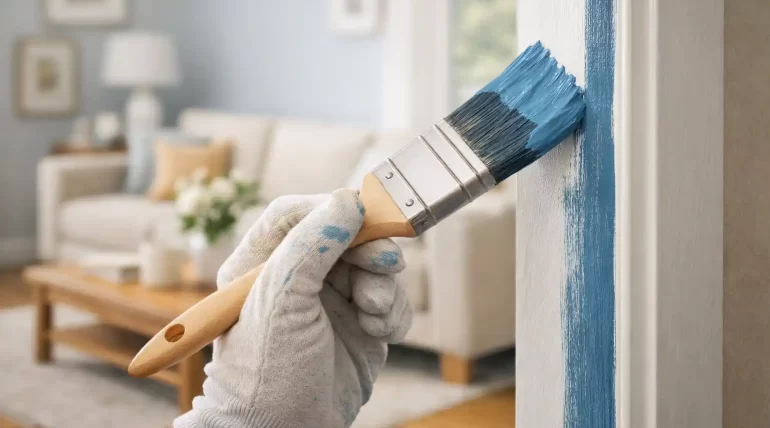
Finding Affordable Interior Painters in Sydney doesn’t mean you have to settle for patchy walls, uneven edges or a finish that looks tired six months later. With the right approach, you can keep your painting project sensible while still giving your home that polished, fresh look.
I know a budget renovation can feel like a balancing act. You want a beautiful result, but you also don’t want to throw money at unnecessary extras. The trick comes down to choosing the right painter, understanding what you actually need and spending your budget where it makes the biggest visual difference.
When you start comparing Affordable Interior Painters, look beyond the cheapest quote. I always recommend checking the painter’s experience, preparation process, previous work and what the quote actually includes. You can start your search for Affordable Interior Painters and compare the level of service before making a decision.
What Makes an Interior Painting Job Good Value?
A good-value painting job should give you more than a low number on a quote. It should give you a finish that looks clean, consistent and properly prepared.
Think about it like buying a good pair of shoes. The cheapest pair might look tempting in the shop, but if they fall apart quickly, you haven’t really saved anything. Interior painting works in much the same way.
A quality painter should pay attention to:
- Surface preparation
- Paint quality
- Clean cutting around trims and corners
- Even coverage
- Protection of floors and furniture
- Final clean-up
- Attention to small imperfections
I find that preparation often makes the biggest difference. A painter who rushes straight into rolling paint across the wall may finish quickly, but the final result can highlight dents, cracks and old marks rather than hide them.
Don’t Choose a Painter Based on Price Alone
When you receive several painting quotes, it can be tempting to choose the lowest figure immediately. I understand why. Nobody wants to spend more than necessary.
However, a surprisingly cheap quote can sometimes leave out important work.
One painter might include sanding, patching, two coats and detailed preparation. Another might simply allow for basic painting. On paper, the second quote looks cheaper. In reality, you’re comparing two different jobs.
Ask each painter to explain:
- How they prepare the walls.
- How many coats they recommend.
- Which paint products they plan to use.
- Whether minor repairs are included.
- Whether furniture and flooring receive protection.
- Whether clean-up is included.
- What happens if you discover a problem after completion.
This simple comparison can make it much easier to identify genuinely Affordable Interior Painters rather than simply finding the lowest quote.
Know Where You Can Save Money
You don’t have to spend big on every part of an interior painting project.
I recommend putting your budget towards the areas that affect the finished appearance most. For example, proper wall preparation and quality application can make a bigger difference than choosing an expensive decorative paint for every room.
You can also save by planning your project carefully.
Instead of painting one room, stopping for several months and then starting another, consider grouping suitable rooms together. A larger, clearly planned project may make the process more efficient.
You can also prepare your home before the painter arrives. Move small decorations, clear shelves and organise personal items where practical. Just make sure you don’t move anything that could create a safety issue.
Choose Colours That Work Harder
Colour can completely change how a Sydney home feels.
If you’re working with a smaller budget, I like choosing versatile colours that can work across several spaces. Soft whites, warm neutrals, gentle greys and earthy tones can create a modern backdrop without making the home feel overly styled.
For a contemporary Australian interior, warmer neutrals have become especially popular because they work nicely with timber, natural textures and plenty of daylight.
You don’t necessarily need a different colour for every room either.
A consistent palette can make your home feel larger and more connected. Then, if you want personality, you can introduce it through artwork, furniture, cushions, rugs or one carefully selected feature wall.
That approach can give you a designer-style result without turning the paint budget into a small mortgage.
Spend More on Preparation, Not Unnecessary Extras
Here’s one of my favourite painting rules: don’t let the paint hide the preparation process from you.
Good preparation might include filling small holes, sanding rough areas, removing loose paint and creating a cleaner surface before the first coat goes on.
These steps aren’t particularly glamorous. Nobody walks into a room and says, “Wow, excellent sanding.”
But you’ll notice the difference when the final coat looks smooth and consistent.
If your walls have significant cracks, water damage, mould or other underlying problems, discuss them with the appropriate professional before painting. Painting over a bigger issue may make the room look better temporarily without actually solving the problem.
Check the Painter’s Credentials and Contract
If you’re hiring a professional painter in Sydney, I recommend checking the requirements that apply to your project before work begins. For residential building or trade work in NSW valued above $5,000 in labour and materials, a contractor licence generally applies, while standalone internal paintwork has specific licensing rules. You can check the current requirements through the NSW Government’s painting work guidance.
For larger projects, get the scope of work clearly written down. I would want the quote to spell out the rooms, surfaces, preparation, paint system, number of coats, inclusions and any exclusions.
That removes plenty of guesswork before the first drop sheet hits the floor.
Compare Quotes Properly
A simple comparison table can help you make sense of different painting quotes.
| What to Compare | Why It Matters |
| Surface preparation | Helps create a smoother final finish |
| Number of coats | Affects coverage and consistency |
| Paint quality | Influences appearance and durability |
| Minor repairs | Prevents unexpected extras |
| Furniture protection | Helps protect your home |
| Clean-up | Leaves the space ready to use |
| Project timeline | Helps you plan around the work |
| Warranty or workmanship terms | Gives you clarity after completion |
I don’t recommend treating a quote like a race where the cheapest number wins. Instead, compare what you receive for that number.
Two quotes can differ considerably while both remain reasonable once you understand what each painter includes.
Ask About the Paint, Too
Not every room needs exactly the same paint approach.
Bathrooms and kitchens have different demands from bedrooms and living areas. High-traffic spaces may benefit from a finish that’s easier to clean, while a bedroom may allow you to focus more on the look and feel of the surface.
Ask your painter why they recommend a particular product or finish rather than simply asking for the cheapest paint available.
A professional should be able to explain the choice in straightforward language.
You don’t need a chemistry degree to choose wall paint. If the explanation starts sounding like a university lecture on polymers, ask for the short version.
Think About Long-Term Value
The cheapest painting project isn’t necessarily the most affordable one over time.
If poor preparation causes peeling, uneven coverage or visible imperfections, you may need to repaint sooner than expected. That creates another round of labour, materials and disruption.
On the other hand, a well-prepared surface and carefully applied paint can help your interior maintain its appearance for longer.
This is why I prefer to think about value rather than price.
When comparing Affordable Interior Painters, ask yourself:
“Will this job still look good after I’ve stopped thinking about the quote?”
That’s a much more useful question.
How to Keep Your Painting Budget Under Control
You can take several practical steps before work begins.
Prioritise the rooms. Start with spaces that need attention most rather than automatically painting the entire house.
Choose your colours early. Last-minute changes can create unnecessary delays and extra work.
Get the walls ready. Remove wall decorations and personal items so the painter can focus on the actual job.
Confirm the scope. Make sure you understand exactly what your quote includes.
Avoid unnecessary extras. You don’t need premium finishes or elaborate feature walls everywhere.
Plan around the painter. A clear schedule can make the project smoother for everyone.
These small decisions can help you get more from your painting budget without cutting corners where quality really matters.
Affordable Interior Painters: What Should You Look For?
The right painter should make the process feel straightforward rather than confusing.
I would look for someone who communicates clearly, arrives prepared, explains the work and takes pride in the details. Previous projects can also tell you plenty. Look closely at corners, ceilings, trims and transitions between colours in their portfolio.
Don’t just admire the big living-room photograph. Zoom in.
That’s where good workmanship tends to reveal itself.
Also consider reviews, references and the painter’s experience with homes similar to yours. Sydney properties can vary considerably, from modern apartments to older terraces and family homes, so experience with your type of property can be useful.
Final Thoughts
Finding Affordable Interior Painters in Sydney doesn’t mean chasing the lowest quote and hoping for the best. I recommend focusing on preparation, clear communication, suitable paint products and a detailed scope of work.
You can keep your project within a sensible budget while still achieving a clean, modern and professional-looking finish. The key is knowing where to save and where quality matters most.
Your walls take up a huge amount of visual space, so a well-planned paint job can completely refresh the way your home feels. If you’re ready to give your interiors a fresh new look, Get in touch with our team to discuss your painting project and find the right approach for your Sydney home.
FAQs About Affordable Interior Painters
How do I find Affordable Interior Painters in Sydney?
Start by comparing several detailed quotes rather than choosing the cheapest option. Check previous work, reviews, preparation methods, inclusions and the painter’s experience before making your decision.
How can I reduce the cost of interior painting?
You can control costs by prioritising important rooms, choosing practical colours, preparing your home before the painter arrives and avoiding unnecessary decorative extras. However, don’t cut back on essential surface preparation.
Is the cheapest painting quote the best option?
Not necessarily. A cheap quote may exclude preparation, additional coats, repairs, premium materials or clean-up. Always compare the complete scope of work before choosing a painter.
How many coats of paint do interior walls need?
The number of coats depends on the existing surface, colour change, paint product and condition of the walls. Your painter should assess the surface and recommend the appropriate approach.
Should I paint my whole house at once?
It depends on your budget, schedule and the condition of your rooms. Painting several areas together can make project planning easier, but you can also prioritise high-use rooms and complete the rest later.
What should an interior painting quote include?
A detailed quote should clearly explain the rooms or surfaces included, preparation work, paint products, coats, repairs, protection, clean-up, timeline and any exclusions or additional charges.
Can professional painters help me choose colours?
Yes. Experienced painters can often provide practical advice about colour, finish and how different shades may work with your existing interior. For major design decisions, you can also work with an interior designer.